Step 2 · Before I Research
K-W-Q-T-R: What Do I Know?
K · Know
What I know already
- A killer called the Zodiac attacked people in Northern California in the late 1960s.
- He mailed letters and codes to newspapers.
- He signed with a crossed circle.
- He was never identified. The case is still unsolved.
W · Want to know
What I need to find out
- Who the victims were and how many are confirmed.
- Which suspects were looked at, and why.
- What evidence exists today.
- How 1969 forensics compares to 2026.
Q · Questions
What a detective asks
- Why was he never caught?
- Did anyone come close?
- Can the codes or DNA name him?
- Is he still alive?
Starting knowledge only, before research. Checked later in Step 3.
Step 2 · Before I Research
K-W-Q-T-R: Theories & Reason
T · Theories
My starting guesses
Initial theory, not fact
- He was an ordinary person who blended in and never got caught.
- He may have died without anyone knowing.
- Some of the letters might have been written by someone else.
These are only guesses. My research will test them.
R · Reason
Why this case matters
- Forensic science: it shows how far fingerprints, handwriting and DNA could go in 1969, and what newer tools can still do.
- Families: the victims and their loved ones never got an answer.
- The public: it is a real open case. In 2020 amateurs solved one of the codes.
Student's pre-research thinking; FBI statement via Fox News (2021); SF Chronicle (2020)
Step 3A · Case Background
The Case at a Glance
37
claimed by the killer, never proven
Who is believed responsible?
An unidentified man who called himself the Zodiac. No one has been proven to be him.
When and where?
Dec 1968 to Oct 1969, in Benicia, Vallejo, Lake Berryessa and San Francisco. The agencies: Solano County Sheriff, Vallejo PD, Napa County Sheriff and SFPD.
FBI (2007); SF Chronicle (2018); FBI statement via Fox News (2021)
Step 3A · Case Background
Where the Attacks Happened
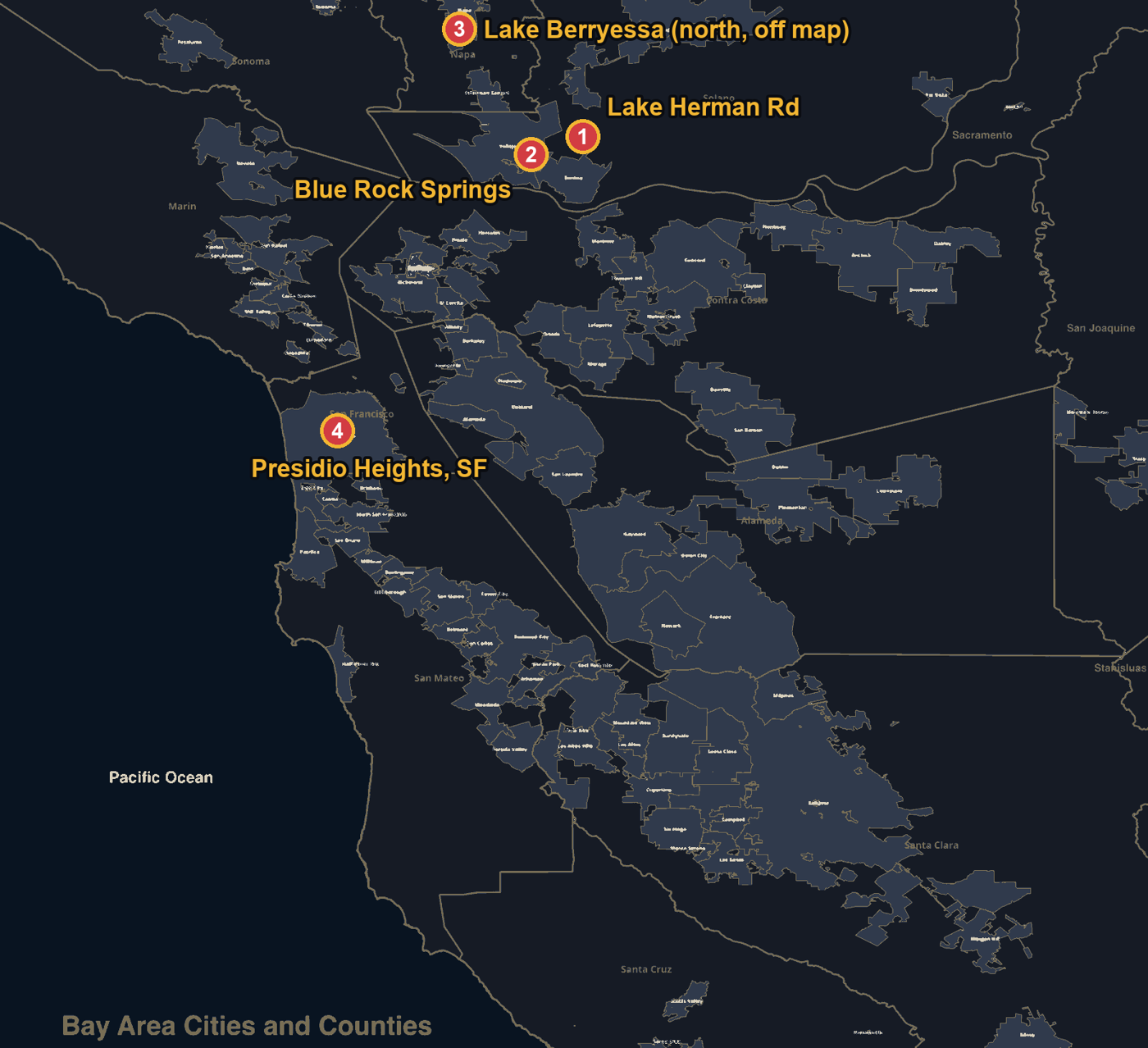
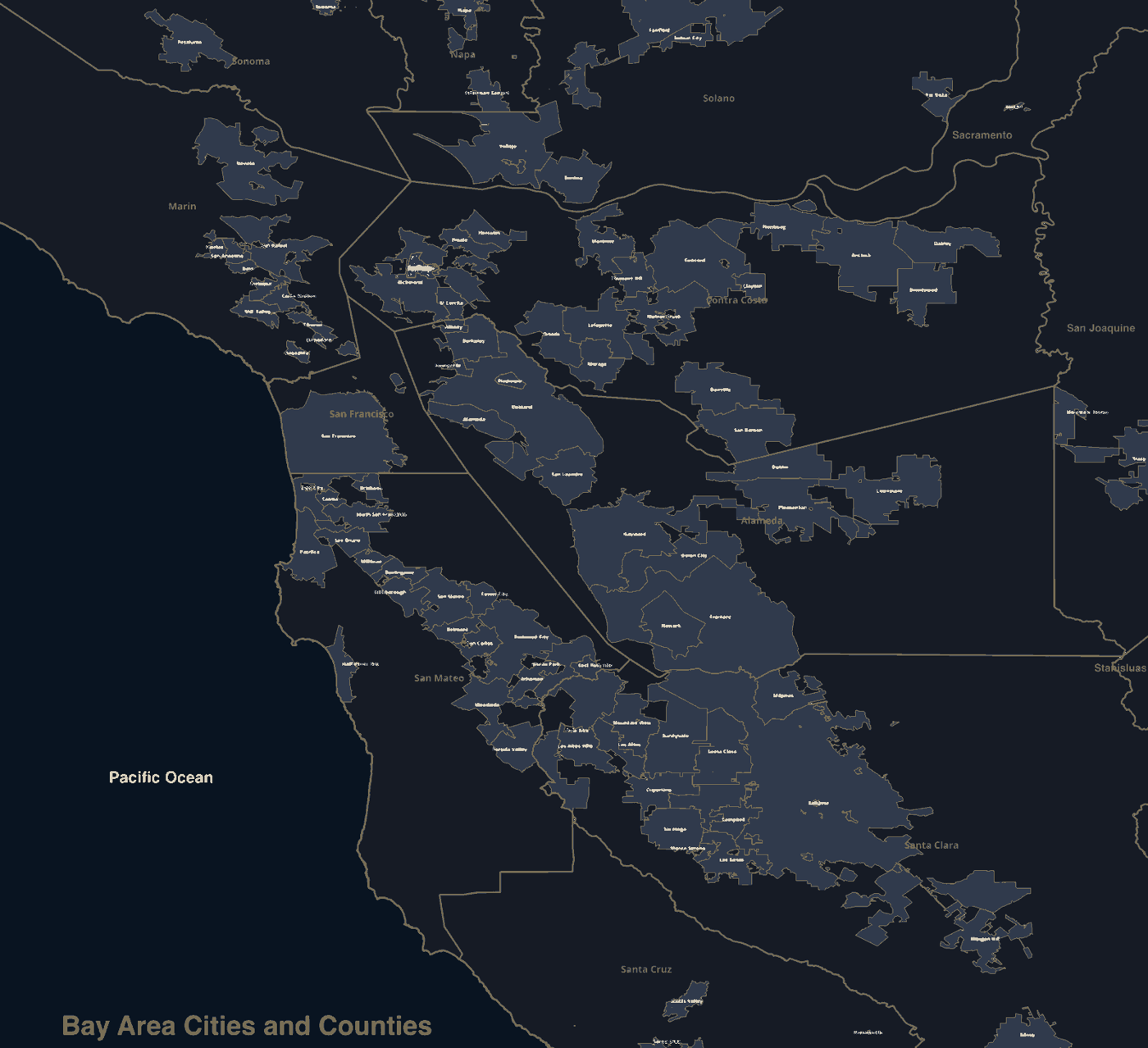
Attack sites (approximate) · base map Wikideas1, CC0
1 · Dec 20, 1968
Lake Herman Rd, Benicia (Solano Co.)
2 · Jul 4–5, 1969
Blue Rock Springs, Vallejo
3 · Sept 27, 1969
Lake Berryessa (Napa Co.)
4 · Oct 11, 1969
Presidio Heights, San Francisco
SF Chronicle (2018); UPI (1968, 1969, 1988); Napa Valley Register (2007)
Step 3A · The Attacks (1 of 2)
Who Were the Victims?
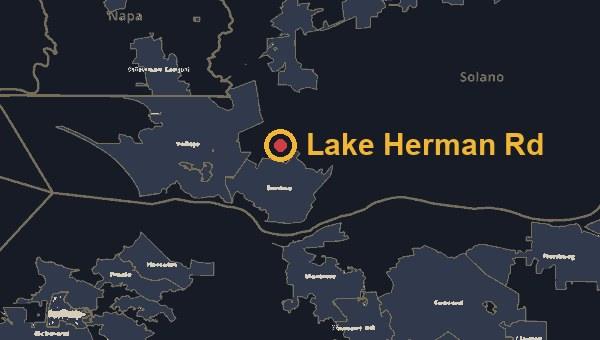
Fri, Dec 20, 1968 · Lake Herman Rd, Benicia
David Faraday, 17, and Betty Lou Jensen, 16. Teens on a first date at a lovers' lane. Both died. Weapon: gun. Bodies found around 11:30 p.m.
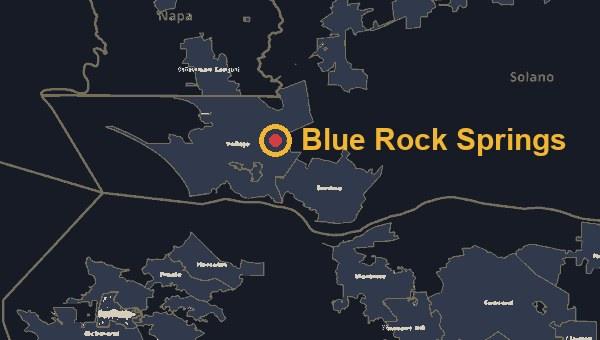
Jul 4–5, 1969 · Blue Rock Springs, Vallejo
Darlene Ferrin, 22, and Michael Mageau, 19. Shot in a park parking lot just after midnight. Ferrin died. Mageau survived. Weapon: gun. A man phoned police to take credit.
UPI (1968, 1988); SF Weekly (2018); People (2024)
Step 3A · The Attacks (2 of 2)
Who Were the Victims?
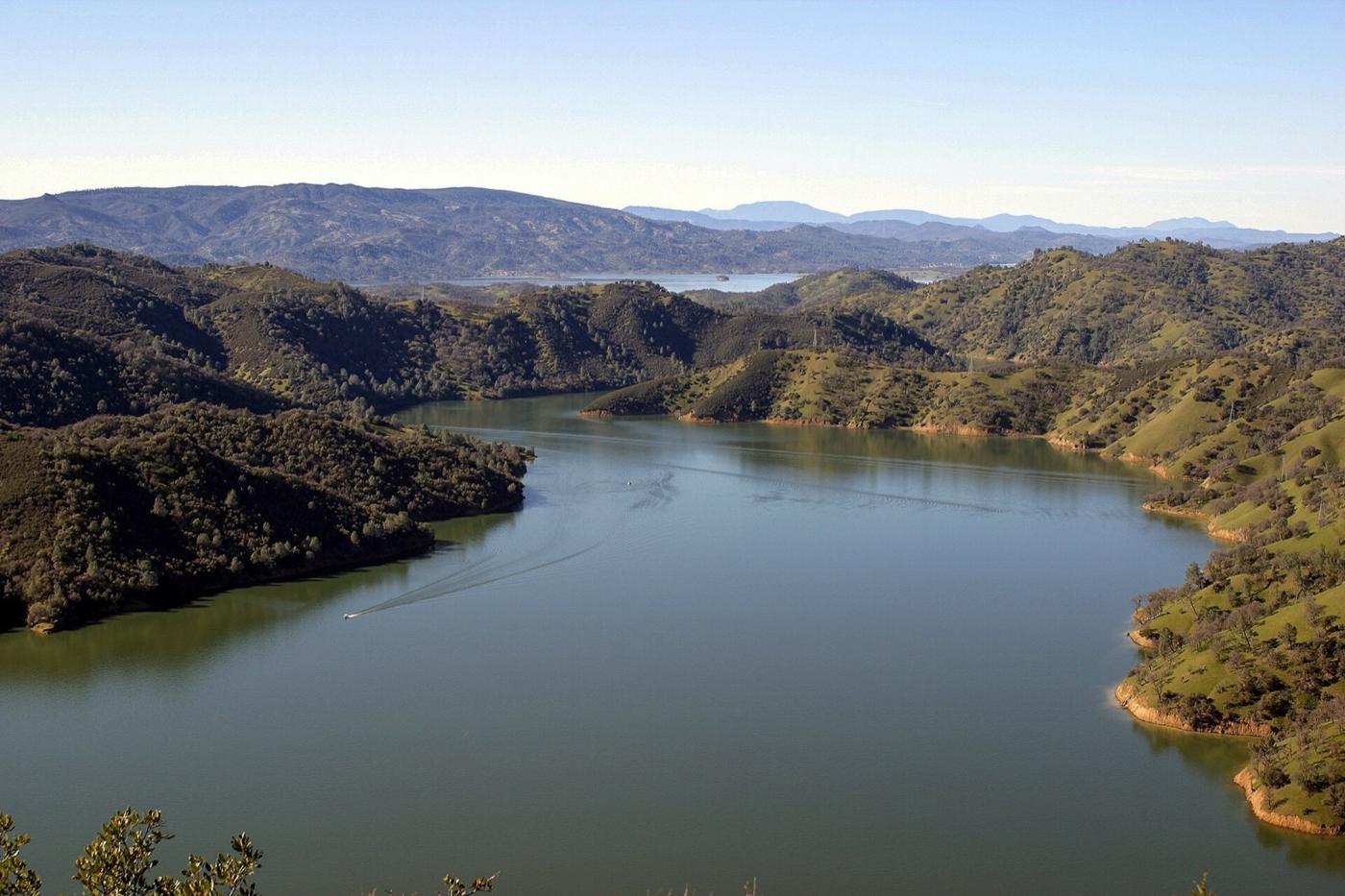
Sat, Sept 27, 1969 · Lake Berryessa, Napa Co.
Cecelia Shepard, 22, and Bryan Hartnell, 20. College students on a picnic, attacked by a hooded man. Shepard died in the hospital. Hartnell survived. Weapon: knife.
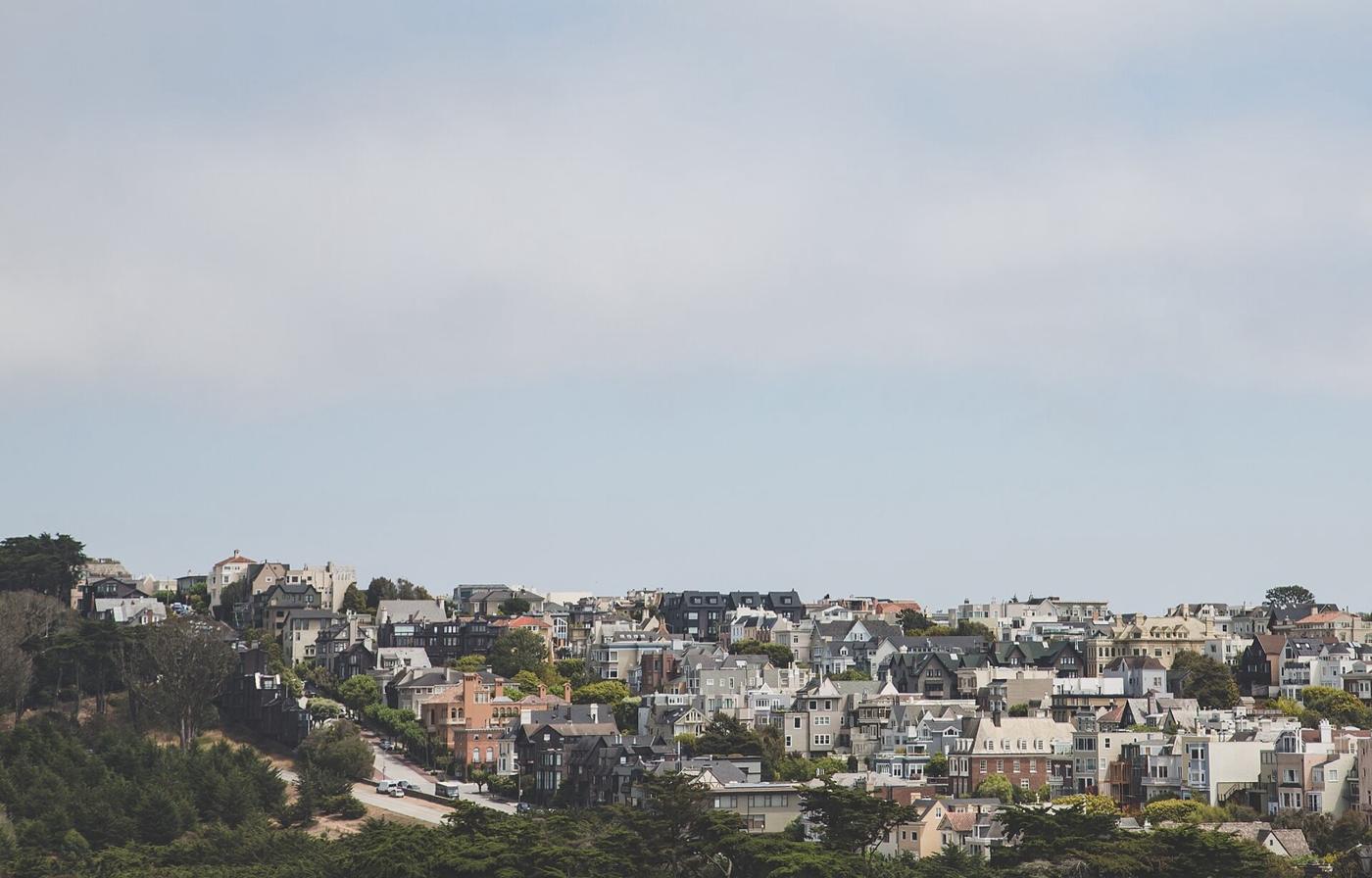
Sat, Oct 11, 1969 · Presidio Heights, San Francisco
Paul Stine, 29. A cab driver and graduate student, shot around 9:55 p.m. by a passenger. His last confirmed murder. Weapon: gun.
UPI (1969, 1988); Napa Valley Register (2007); California Beat (2009); SF Chronicle (2018)
Step 3A · Possible Additional Victims
Suspected Other Victims
Cheri Jo Bates · 1966
Ruled out by police
Riverside, age 18. Letters about her death once seemed linked to the Zodiac. In 2021 Riverside PD said it "100%" believes the cases are unrelated.
Kathleen Johns · 1970
Possible
A pregnant woman was driven away by a stranger near Tracy and escaped with her baby. She picked the Zodiac sketch. A later letter bragged about it. Not an official victim.
Donna Lass · 1970
Unconfirmed
A nurse who vanished in Lake Tahoe. A 1971 postcard was read by some as a link. Few in law enforcement believe it.
The Zodiac's "37" total was a boast and was never substantiated. He was known to brag about killings he did not commit.
NBC News (2021); History.com (2017); Tracy Press (2007); SF Chronicle (2023); SFGate (2021)
Step 3A · Patterns
Why Link These Crimes?
Similarities
- Three of four attacks hit couples in isolated lovers' lane spots.
- All happened in the evening, on weekends or a holiday.
- Two bragging phone calls, both saying "double murder."
- Methods differed: guns, then a knife.
Why investigators connect them
- July 1969 letters gave details only the killer and police knew.
- A bloody piece of Stine's shirt was mailed to the Chronicle.
- The crossed-circle symbol was on letters and on Hartnell's car.
- That car door listed the earlier attack dates.
A 2023 documentary argued the attacks may not be one person. Most investigators still treat them as linked.
UPI (1969, 1988); SF Chronicle (2018, 2023); History.com (2017)
Step 3B · Investigation Status
How Close Is It to Solved?
Ever close?
Police came closest with Arthur Leigh Allen, but could not tie it together before he died in 1992. DNA later pointed away from him.
Suspects identified?
Only Allen was ever named by police. About 2,500 suspects were checked in all.
Arrested? Charged?
No. No one has ever been arrested or charged.
Persons of interest?
Yes. Allen, and others covered next. A person of interest is not guilty.
Evidence used to find suspects
Witness tips, a watch and guns, photo IDs, handwriting and fingerprint checks, sketch resemblance, cipher claims.
Evidence that blocked a solve
Only a partial DNA profile, a near-useless sketch, no print or handwriting match, no name in the solved codes, and witnesses who have died.
The FBI says the case "remains open and unsolved."
SF Chronicle (2002, 2025); SFGate (2021); ABC7 (2020); FBI statement via Fox News (2021)
Step 3C · Suspects & Persons of Interest
Arthur Leigh Allen
Who and why considered
Allen (1933 to 1992) was a Vallejo schoolteacher. Investigators considered him a person of interest because a friend said he talked about killing people and putting a flashlight on a gun. He owned a Zodiac-brand watch and bloody knives, which he said were for chickens.
Evidence for
In 1991 Michael Mageau picked Allen's photo. Police viewed this as weak, since the shooter shined a light in his eyes. Vallejo police named Allen after his death. Author Robert Graysmith also named him.
Evidence against
His fingerprints, palm print and handwriting did not match. In 2002 SFPD said he did not match the partial DNA. Home searches found nothing. The DNA can only exclude people.
Arrested? Eliminated?
Never arrested or charged. SFPD inspectors said DNA cleared him, but some writers still call him the best lead. Open
History.com (2025); SF Chronicle (2002, 2025); SFGate (2002, 2021)
Step 3C · Suspects & Persons of Interest
Other Persons of Interest
Lawrence Kane
Who: Worked at the same Lake Tahoe hotel as Donna Lass. Died 2010.
Why: Two witnesses and an officer reportedly said his photo resembled a man they saw.
Against: Authorities never officially named him a suspect.
Arrested? No. Eliminated? Not formally.
Earl Van Best Jr.
Who: Died 1984. His son Gary Stewart wrote a 2014 book naming him.
Why: Claimed initials in codes, handwriting and a fingerprint mark.
Against: Prints did not match. Experts rejected most claims.
Arrested? No. Eliminated? Widely rejected.
Gary Poste
Who: House painter, died 2018.
Why: In 2021 a private group, Case Breakers, cited forehead scars and a Bates link.
Against: The FBI did not endorse it. Riverside PD rejected the Bates link. No DNA match.
Arrested? No. Eliminated? Not formally.
History.com (2025); SF Chronicle (2023); Reuters via Raw Story (2014); Fox News (2021); CBS13 (2021)
Step 3C · Suspects & Persons of Interest
Newer and Disputed Claims
Marvin Margolis / "Merrill"
Who: Died 1993. Questioned in the 1947 Black Dahlia case, never charged.
Why: In Dec 2025 codebreaker Alex Baber said the 13-character cipher spells "Marvin Merrill," Margolis's alias.
Against: No agency has confirmed it. An LAPD detective called himself a skeptic. Critics say the name came from filtering.
Arrested? No. Eliminated? Neither confirmed nor eliminated.
Richard Gaikowski
Who: Editor of a San Francisco counterculture newspaper. Died 2004.
Why: A former coworker accused him in letters. A dispatcher thought the voice was similar.
Against: The accuser was called a "Zodiac kook" by an SF inspector. Gaikowski said he was abroad in 1968.
Arrested? No. Eliminated? No DNA test was done, so unproven.
SF Chronicle (2025); LA Times (2025); Daily Mail (2026); SF Standard (2026); History.com (2025)
Section 4 · The Evidence
The Evidence: Physical
FactLetters, envelopes, stamps
Vallejo police hold 3 letters and 2 envelopes. In 2002 the SFPD lab found saliva under a stamp and built a partial DNA profile. Napa also has a partial profile of an unknown male from Lake Berryessa.
FactFingerprints
A 1969 FBI report counted 30 latent prints and 3 palm prints from Stine's cab, some with traces of blood. Only Stine and one officer or newsman were identified. The total later reached 38 prints.
FactBoot prints
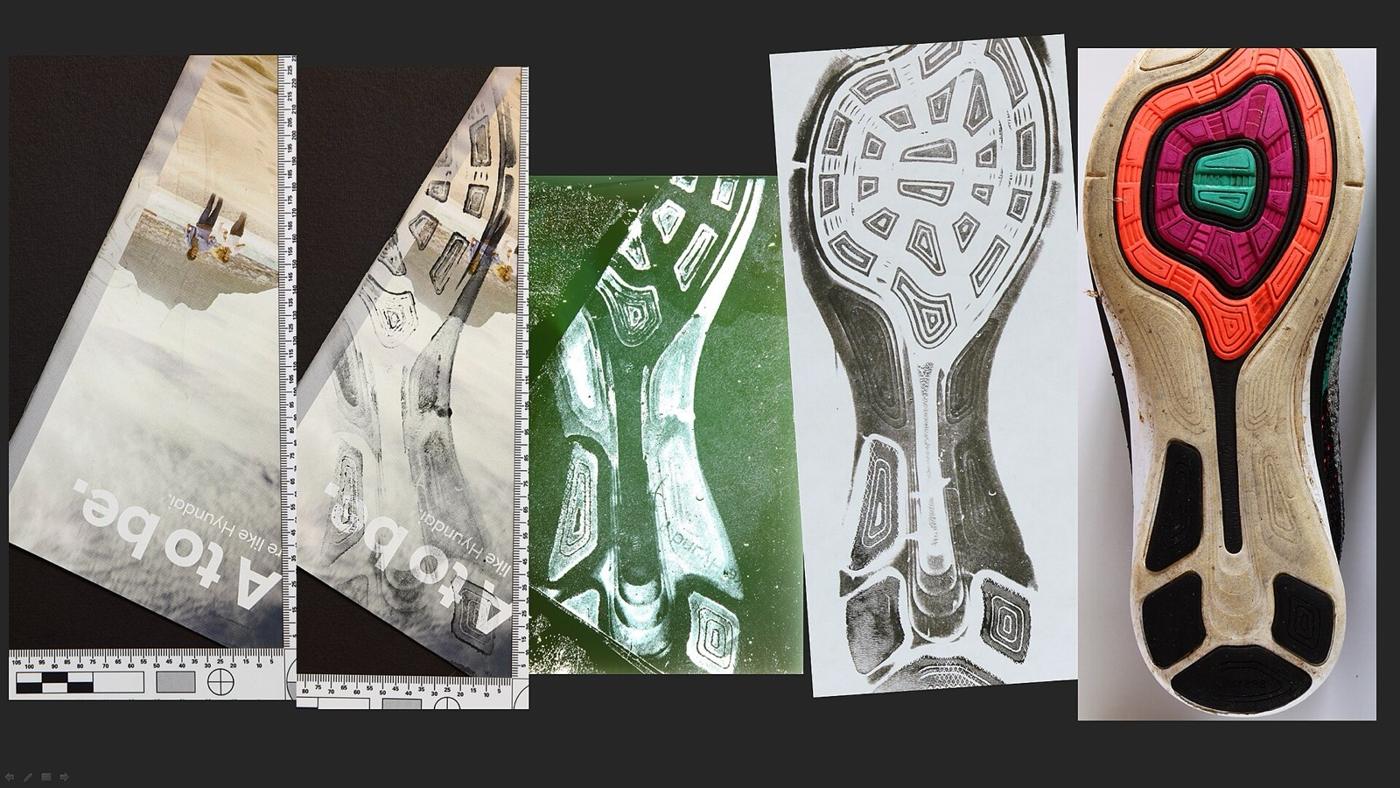
At Lake Berryessa, casts were made of a print from a size 10.5 military "Wing Walker" boot, according to Napa sheriff reports. Hundreds of pairs were sold, so it does not point to one man.
FactBallistics
A .22 caliber gun was used at Lake Herman Road (1968). A 9mm gun was used at Blue Rock Springs (1969). No murder weapon was ever recovered, so there is no gun to match.
Sacramento Bee (2018); Crime Library; BuzzFeed News (2018); Napa sheriff reports via zodiackillerinfo.com
Section 4 · The Evidence
The Evidence: Words & Codes
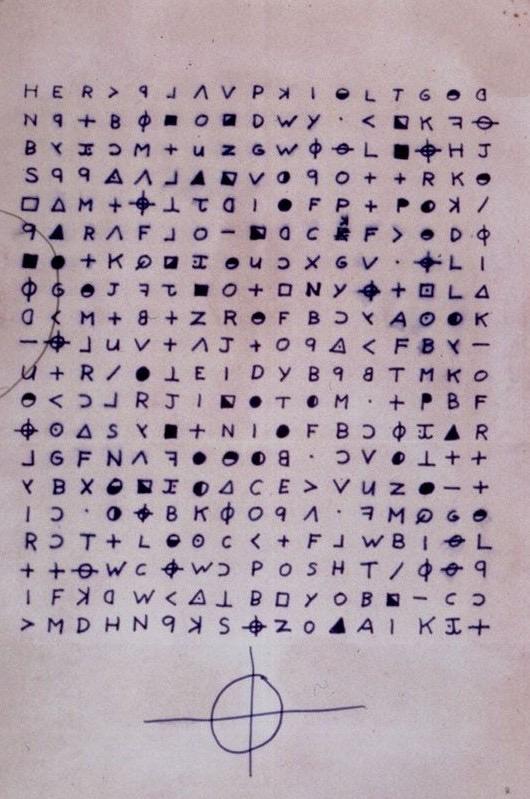
The Z340 cipher, mailed Nov 8, 1969 · solved Dec 2020
FactStine's shirt. A letter mailed Oct 13, 1969 held a piece of Stine's bloody shirt. Police matched the cloth to his shirt.
FactHartnell's car door. The killer reportedly wrote the earlier attack dates on it, plus "Sept 27-69 - 6:30 by knife."
FactHandwriting. Examiner Sherwood Morrill studied the letters. Experts later disagreed about suspects, and the style may have been disguised.
FactCiphers. Z408 solved in Aug 1969 (sources differ on the day). Z340 solved Dec 2020, FBI confirmed. Neither gave a name. Z13 and Z32 are unsolved.
UPI (1969); SF Chronicle (2020); The Register (2020); Oranchak, Blake, Van Eycke, arXiv (2024); zodiacciphers.com
Section 4 · The Evidence
Witnesses & What Survives
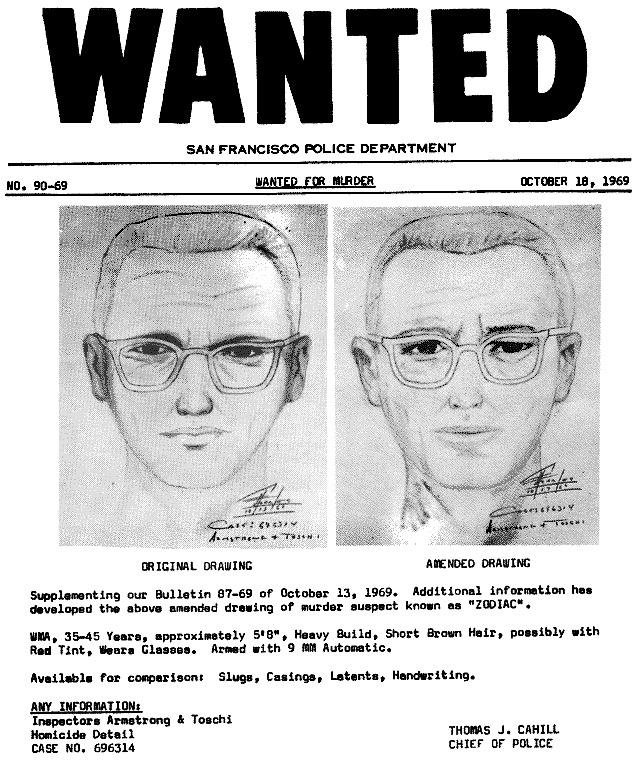
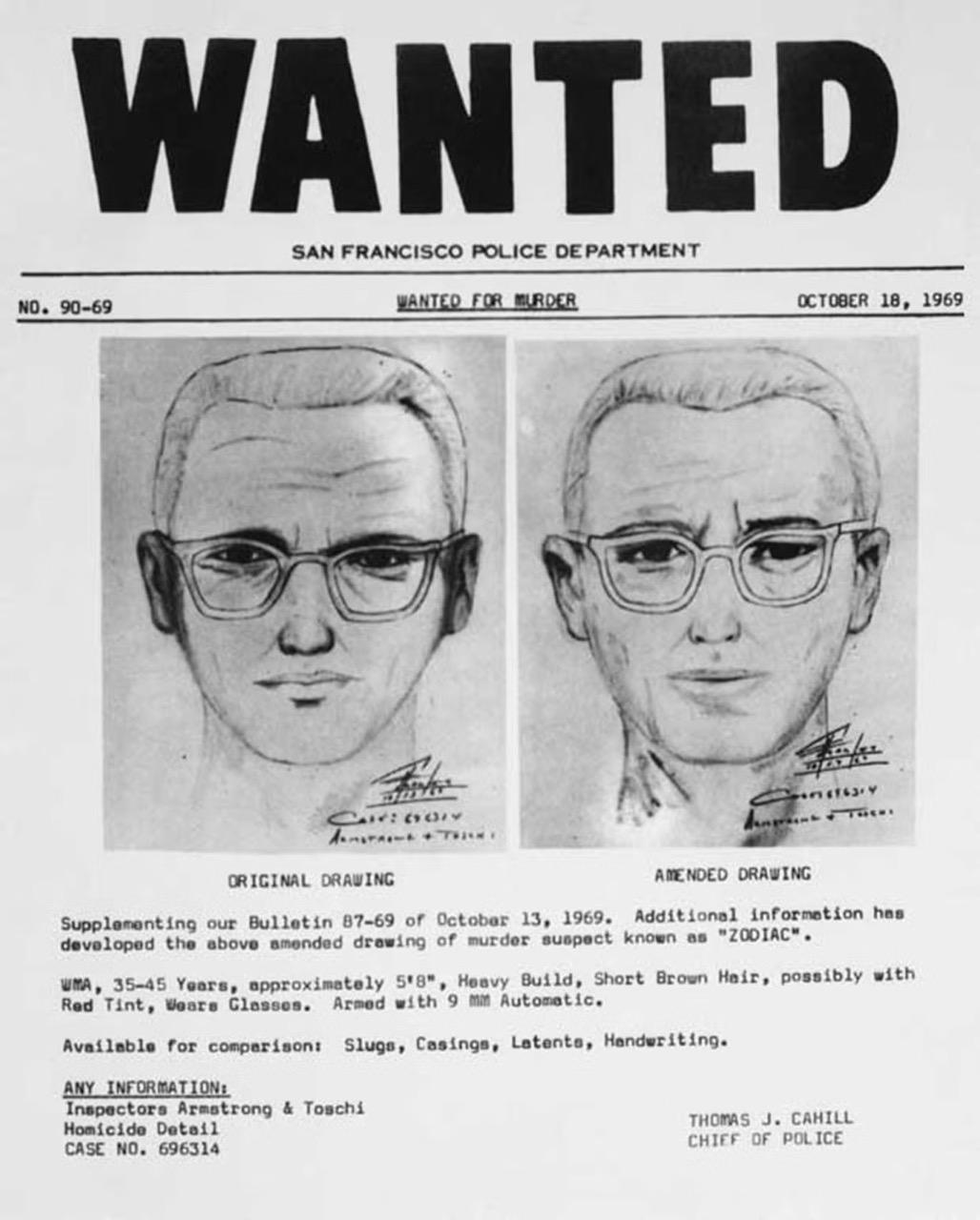
1969 police composite (public domain)
FactWitness descriptions
Teens near the Stine scene described a stocky white man with a crew cut and glasses. The ages given were 25-30, then 35-45. Survivor Mageau saw a heavy man but the killer shone a light in his eyes. The sketch is called "close to useless."
Still existsEvidence today
- About 30 boxes at SFPD, including the Stine taxi door
- Letters and envelopes held by Vallejo police
- The Napa partial DNA profile
- The 38 latent prints
Detectives handled it for decades before DNA testing existed.
California Beat (2009); SFGate (2021); SF Chronicle (2018); Sacramento Bee (2018); BuzzFeed News (2018)
Section 5 · Theories & Evidence
Fact, Theory, Speculation
Fact
Supported by reliable evidence. Reported by official sources or major outlets.
- No one has ever been charged.
- The FBI says the case "remains open and unsolved."
Theory
An explanation that is argued from evidence but not proven.
- Arthur Leigh Allen was the Zodiac.
- Gary Poste was the Zodiac (Case Breakers, 2021).
Speculation
An idea with little or no reliable evidence.
- He killed 37 people. That is only his own boast.
- He is still alive today. No evidence, and a Vallejo detective thinks he died.
FBI statement via Fox News (2021); SF Chronicle (2023); Sacramento Bee (2018); Britannica (2025)
Section 5 · Theories 1 and 2
Allen & The Unknown Killer
1. Arthur Leigh Allen Theory
What: A Vallejo teacher (died 1992) was the Zodiac.
Supporters: Robert Graysmith, the late Inspector Toschi, Vallejo police.
For: Zodiac watch, same caliber gun, bloody knives, a friend's report, Mageau's weak photo pick.
Against: His prints, palm print, DNA and handwriting did not match. Two home searches found nothing.
2/5. Every lab test excludes him. The rest is circumstantial.
2. Never identified Theory
What: The killer was never named and may have died uncaught.
Supporters: Kevin Fagan (SF Chronicle), Katie Dowd (SFGate).
For: About 2,500 suspects checked, no arrest. No full DNA profile. The 340 solve gave no name.
Against: Nothing contradicts it. It is the default if no suspect holds up.
4/5. It fits all the evidence, and the case is still open.
History.com (2025); SFGate (2002, 2021); SF Chronicle (2023, 2025); Britannica (2025)
Section 5 · Theories 3 and 4
More Victims, Hoax Letters
3. More than 5 victims Theory
What: The Zodiac claimed 37 kills. Officials confirm 5 deaths and 2 survivors.
Supporters: The killer's own letters. Reporter Paul Avery pushed the Cheri Jo Bates link.
For: Examiner Morrill judged the Bates notes to be Zodiac's. A 1970 letter hinted at Riverside.
Against: Riverside police "100%" reject the link. The 37 was never backed up.
3/5 for one more victim. 1/5 for 37, which is a boast Spec
4. Hoaxes and copycats Theory
What: Some letters came from other writers.
Supporters: Armistead Maupin suspected the 1978 "toschi" letter was faked.
For: The 1978 letter came after 4 years of silence. Toschi was removed from the case but cleared of forging it. A 1973 Albany letter used the symbol.
Against: Little proof of a second killer in the 1968-69 attacks.
3/5 for hoax letters. 1/5 for multiple killers.
History.com (2025); KQED (2025); SFGate (2002); SF Chronicle (2023); Fox News (2021)
Section 5 · Theories 5 and 6
Poste & Van Best Jr.
5. Gary Poste Theory
What: A house painter (died 2018) was the Zodiac.
Supporters: The Case Breakers, a private group, in Oct 2021.
For: Photos of forehead scars, witnesses who said he admitted it.
Against: The FBI called the case open, Riverside police rejected the Bates link, and no DNA match was announced.
1/5. Circumstantial, from a private group, rejected by police.
6. Earl Van Best Jr. Theory
What: Van Best (died 1984) was the Zodiac.
Supporters: His son Gary Stewart (book 2014, FX series 2020).
For: Claimed initials in ciphers, a handwriting match, a print mark.
Against: Fingerprints did not match. The mark matched only "if reversed." The handwriting was the minister's. The FX series questioned the claims.
1/5. Experts rebutted the main forensic claims.
CBS Sacramento (2021); TheWrap (2021); Fox News (2021); Britannica (2025); History.com (2025); Hollywood Reporter (2020)
Section 5 · Forensic Science & Technology
Forensic Science in 1969
Investigators had real tools, but no DNA. A detective in 2004 called DNA analysis "science fiction back in 1969."
Fingerprints
Lifted by hand, compared on paper cards. The FBI counted 30 latent prints in Stine's cab.
Handwriting
Examiners compared letters by eye. Experts later disagreed with each other.
Ballistics
Could say a gun was "consistent with" a bullet. No weapon was ever found.
Sketches and blood type
Hand-drawn composites. Only ABO blood grouping, no DNA profile.
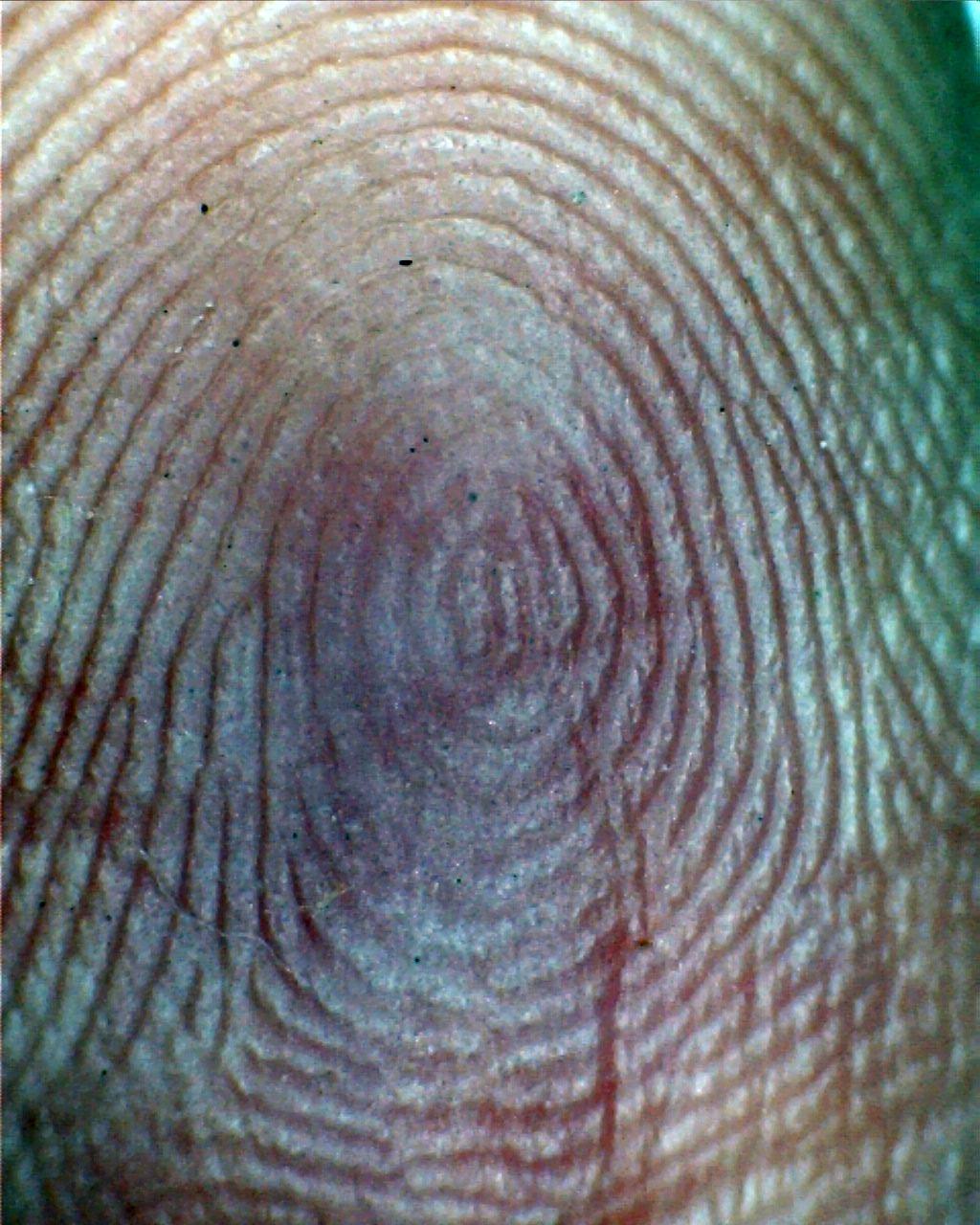
Latent fingerprint work
Kelly Carroll via SF Chronicle (2004); FBI report on Stine cab prints; FBI Archives (2007)
Section 5 · 1969 vs 2026 (1 of 4)
DNA, Touch DNA, Genealogy, CODIS
| Technology | 1969 | 2026 and the Zodiac |
|---|
| DNA analysis | None. Only blood types. | STR and SNP testing. The 2002 stamp test gave only a few markers, "less than half" needed. |
| Touch DNA | Did not exist. | Can find skin cells on objects. On 56-year-old paper handled by many people, contamination is the big risk. |
| Genetic genealogy | Did not exist. | SNP profile searched in GEDmatch and FamilyTreeDNA to find relatives. Vallejo tried this in 2018. No public result. |
| CODIS | No DNA databases. | Running since 1998. Needs a full profile and a match to a known offender or relative. |
FBI "The FBI and DNA" ; DOJ Interim Policy on FGG (2019); NIJ (2024); Sacramento Bee (2018)
Section 5 · 1969 vs 2026 (2 of 4)
Prints, Faces, Digital, Cameras
| Technology | 1969 | 2026 and the Zodiac |
|---|
| Fingerprint databases | Paper cards, manual search. | IAFIS (1999), then NGI (2014) with 161 million+ records and palm prints. Old Zodiac latents were last documented as searched in 1991-92. |
| Facial recognition | Artist sketches. | AI matches sketches to photos. Weak here: foggy view, two sketches disagree on age, no 1969 photo gallery. |
| Digital forensics | None. | Digitized police files and newspapers let investigators cross-check suspects' timelines. |
| Cell phone / location data | None. | Cannot be used. No phone existed at these scenes. |
| Surveillance cameras | None. | Cannot be used for the same reason. |
FBI (2024); NIST FRVT (2014, 2019); SF Chronicle (2018)
Section 5 · 1969 vs 2026 (3 of 4)
AI, Databases, Profiling, Toxicology
| Technology | 1969 | 2026 and the Zodiac |
|---|
| Artificial intelligence | Cipher solving by hand (Z408 took days). | AZdecrypt software helped solve the Z340 cipher in 2020. AI handwriting tools give probabilities but need a named suspect's samples. |
| Databases | File cabinets. About 2,500 suspects checked by hand. | Searchable records can sort leads fast. Useful only after DNA gives a name. |
| Geographic profiling | Did not exist. | Kim Rossmo's 2007 SFPD profile pointed to Vallejo, Mare Island, Benicia and Crockett. It ranks leads, it does not name anyone. |
| Toxicology Low relevance | Basic lab tests. | Not very relevant. It cannot identify a killer. No toxicology evidence is public in this case. It matters only if a suspect is found. |
Oranchak, Blake and Van Eycke (2024); Rossmo report to SFPD (2007); Crawford et al. (2023)
Section 5 · 1969 vs 2026 (4 of 4)
New Methods of Evidence Testing
Best bet
WGS / SNP of degraded DNA
Reads tiny, broken DNA. Used by Othram and Astrea on old cases. Could turn stamp saliva into a genealogy profile.
Probabilistic genotyping
Software like STRmix separates mixed DNA. Helpful because many people handled the letters.
M-Vac
Wet vacuum that pulls DNA out of porous surfaces. Results are mixed. Maybe for the cab door, not for stamps.
Phenotyping
Predicts hair, eye and skin color from DNA. Could test the 1969 witness descriptions.
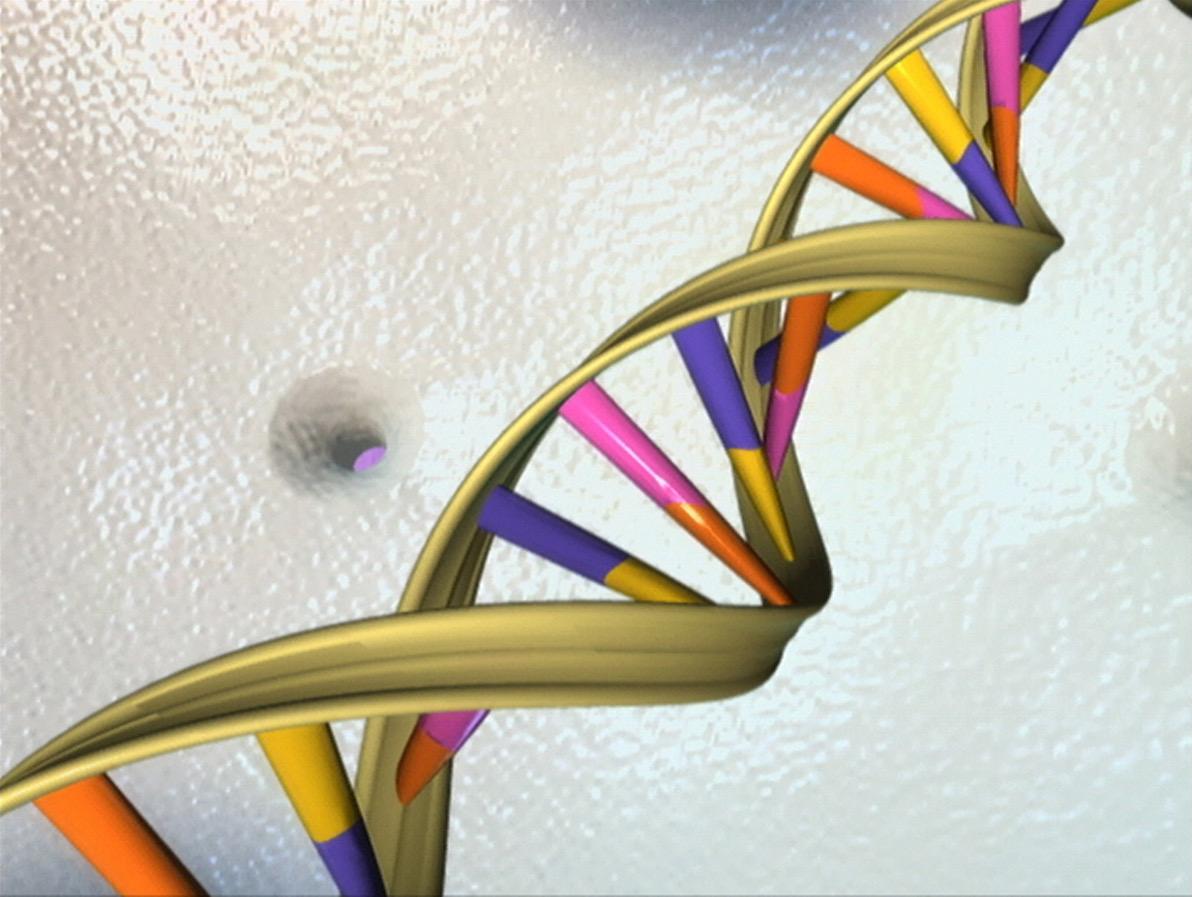
DNA profile
AP (2025); NIJ; Parabon Snapshot FAQ; Cahill (2024); FBI STRmix validation
Section 5 · Proof It Works
Cold Cases Solved by This Tech
Golden State Killer · 2018
DNA from a 1980 murder scene went into GEDmatch. Distant relatives led police to Joseph DeAngelo, arrested April 24, 2018.
Carla Walker · 1974 case
Standard tests failed. Othram genome sequencing gave a lead to Glen McCurley, who confessed in 2021 and was convicted.
Talbott · 1987 murders
Parabon and GEDmatch led to William Talbott's May 2018 arrest for the Cook and Van Cuylenborg killings.
Gilgo Beach · 2025
Whole-genome sequencing of rootless hairs was ruled admissible. The accused pleaded not guilty and is not convicted.
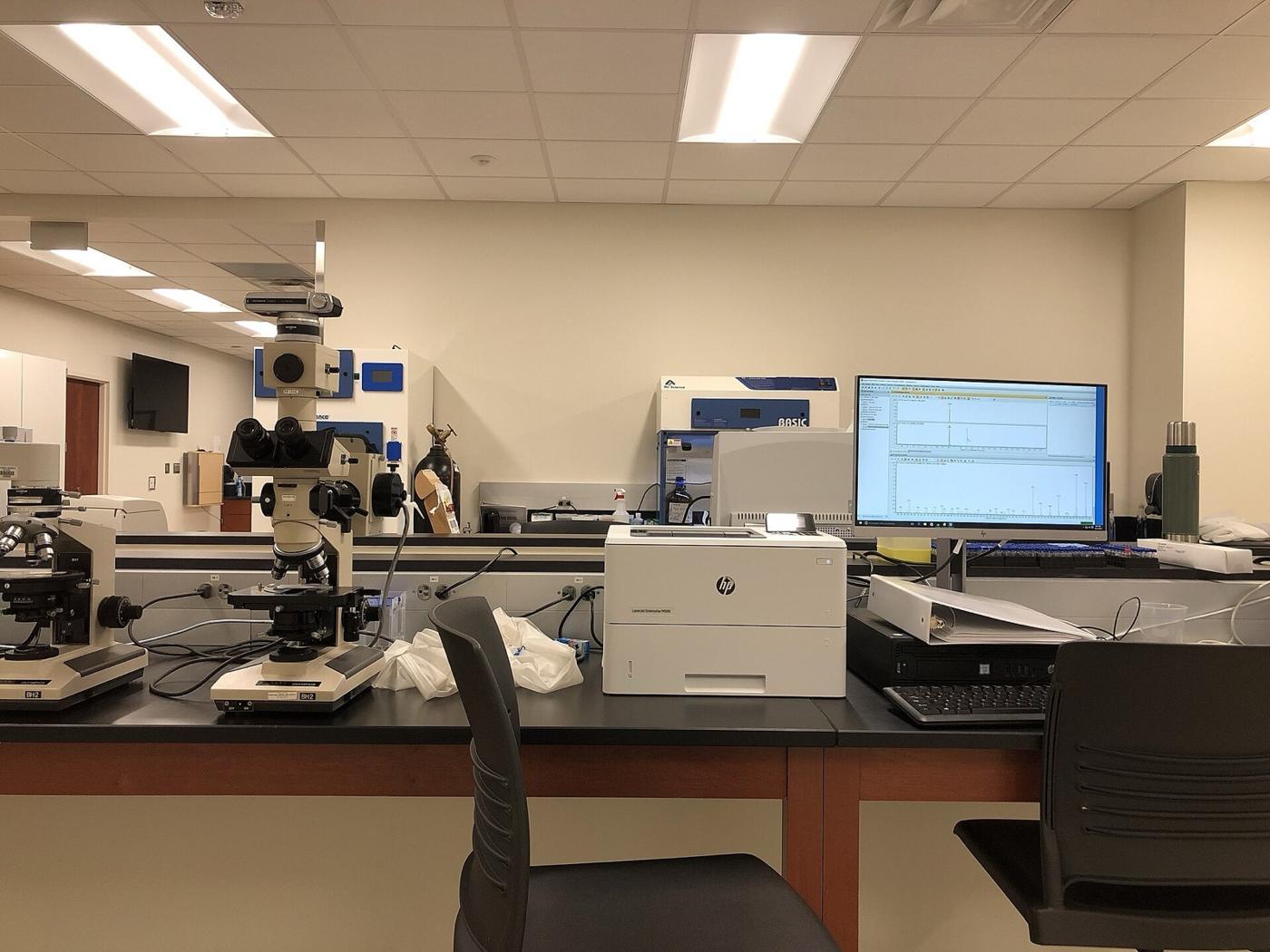
Modern forensic lab
The catch: those cases had usable samples. The Zodiac has saliva "crumbs, and not good ones."
NYT (2018); Parabon (2018); McCurley v. State (2022); AP (Sept 2025); SF Chronicle (2018)
Section 5 · If the Case Were Reopened Today (1 of 2)
Evidence and Retesting
1 · What evidence still exists?
Letters and envelopes (Vallejo holds 3 letters, 2 envelopes), cards and ciphers (SFPD), about 30 SFPD boxes with the Stine cab door, 38 latent prints, Napa's partial DNA profile, rope and car parts.
2 · Could it be tested again?
Yes. Tested in 2002, around 2010 and 2018. But some methods use up the sample, so labs must save part of each extract.
3 · Could newer DNA techniques be used?
Yes. SNP and whole-genome sequencing for degraded DNA, probabilistic software for mixtures, better separation of DNA from stamp glue.
4 · Could genetic genealogy help?
Possibly, if the stamp gives a good SNP profile. The Walker case shows old evidence can work. Biggest limit: how much killer DNA exists.
Vallejo PD via Sacramento Bee (2018); SF Chronicle (2018); NIJ (2024); AP (2025)
Section 5 · If the Case Were Reopened Today (2 of 2)
Databases, Suspects, Gaps
5 · Compare with modern databases?
CODIS: only with a full STR profile. NGI: re-search all latents plus palm marks. GEDmatch / FamilyTreeDNA: legal route to relatives, under law-enforcement opt-in rules.
6 · Identify or eliminate suspects?
Mostly eliminate so far. Allen did not match the 2002 DNA or the prints. But friends licked stamps for him, so the stamp DNA cannot clear him alone. Most suspects are dead, so relatives' DNA would be needed.
7 · What more is needed?
A clean, single-source DNA profile from the killer, not a handler. An elimination database of everyone who touched the items. Cross-checking the Napa, SFPD and Vallejo profiles, which had not been done by 2018.
DOJ Interim Policy (2019); SFGate (2002); NIST DNA mixture review (2024); Sacramento Bee (2018)
Section 5 · Future Technology Beyond 2026
What Could Help Next
- Better DNA extraction from glue. Today's tests work from about 50 picograms but with less confidence. Better chemistry could rescue stamp saliva.
- DNA methylation (age estimates). Could narrow a family tree to the right generation, but needs far more DNA than a stamp has now.
- AI handwriting and writing style. Needs a named candidate. More digitized records could make that possible.
- Bigger genealogy databases. More relatives means better odds of at least a distant match.
- Honest limit: no tool can find DNA that was never left.
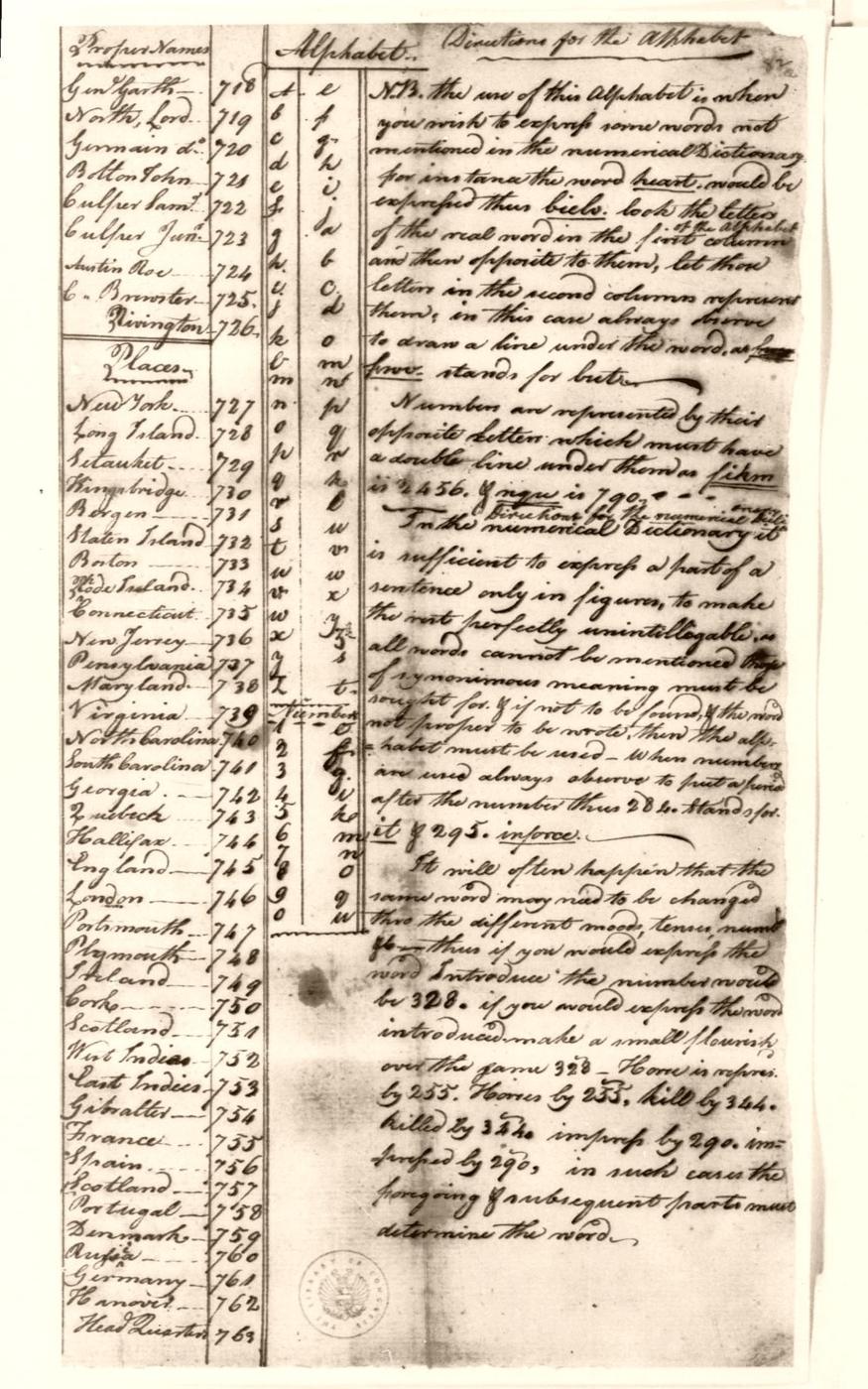
Z340 cipher solved with software, 2020
Parabon (2018); NIJ methylation report (2019); Kim et al. (2024); SF Chronicle (2018). These are projections, not facts.
Section 6 · Suspect Elimination
Who Has Been Eliminated?
Arthur Leigh Allen Excluded
Why: A friend's report, a Zodiac watch, a matching gun caliber.
Found: His prints, palm print and handwriting did not match. In 2002 the partial DNA did not match his autopsy tissue.
Caveat: The profile came from saliva under a stamp, and friends reportedly licked stamps for him. It is partial and can only exclude, so some still call him the best bet.
Ted Kaczynski Not supported
Why: He lived in the Bay Area 1967-69 and wrote taunting letters.
Found: In 1996 the FBI sent his prints to SFPD. Investigators were skeptical. He was tall and slim, unlike the witness descriptions.
Status: Reliable sources show no match published. Reportedly ruled out, but the official result is not public.
Cheri Jo Bates Case ruled out
Why: She was killed in Riverside in 1966. Notes sent afterward were linked to the Zodiac by examiner Morrill. She is a victim, not a suspect.
Found: Riverside police say the case is not connected. In 2016 someone admitted writing one note as a "sick joke."
Status: Her case is still unsolved.
History.com (2025); SFGate (2002); Deseret News (1996); NBC News (2021); Fox News (2021); Sacramento Bee (2018)
Section 6 · Suspect Elimination
Who Has Been Eliminated? (2)
Earl Van Best Jr. Claims dismissed
Why: His son said he was the Zodiac. Found: Fingerprints did not match, the handwriting was the minister's, and the cipher method was questioned. Status: Never charged. Widely rejected.
Lawrence Kane Not established
Why: He worked at the Lake Tahoe hotel where nurse Donna Lass worked, and some witnesses reportedly picked his photo. Found: Reliable sources do not confirm a print result. The Chronicle says he was never officially named a suspect. Status: Not eliminated, not supported.
Think like a forensic scientist: what evidence changed the direction?
- 2002 DNA: a partial profile turned the case away from its only named suspect.
- Handwriting: examiners did not match Allen's right or left hand.
- Fingerprints: 38 latents from the cab have matched no one named so far.
- 2020 Z340 solve: the first real break in decades, but it carried no name.
History.com (2025); Raw Story/Reuters (2014); SF Chronicle (2023); SFGate (2002); ABC7 (2020)
Step 7 · Case Timeline · Part 1 of 4
Case Timeline: 1966–1969
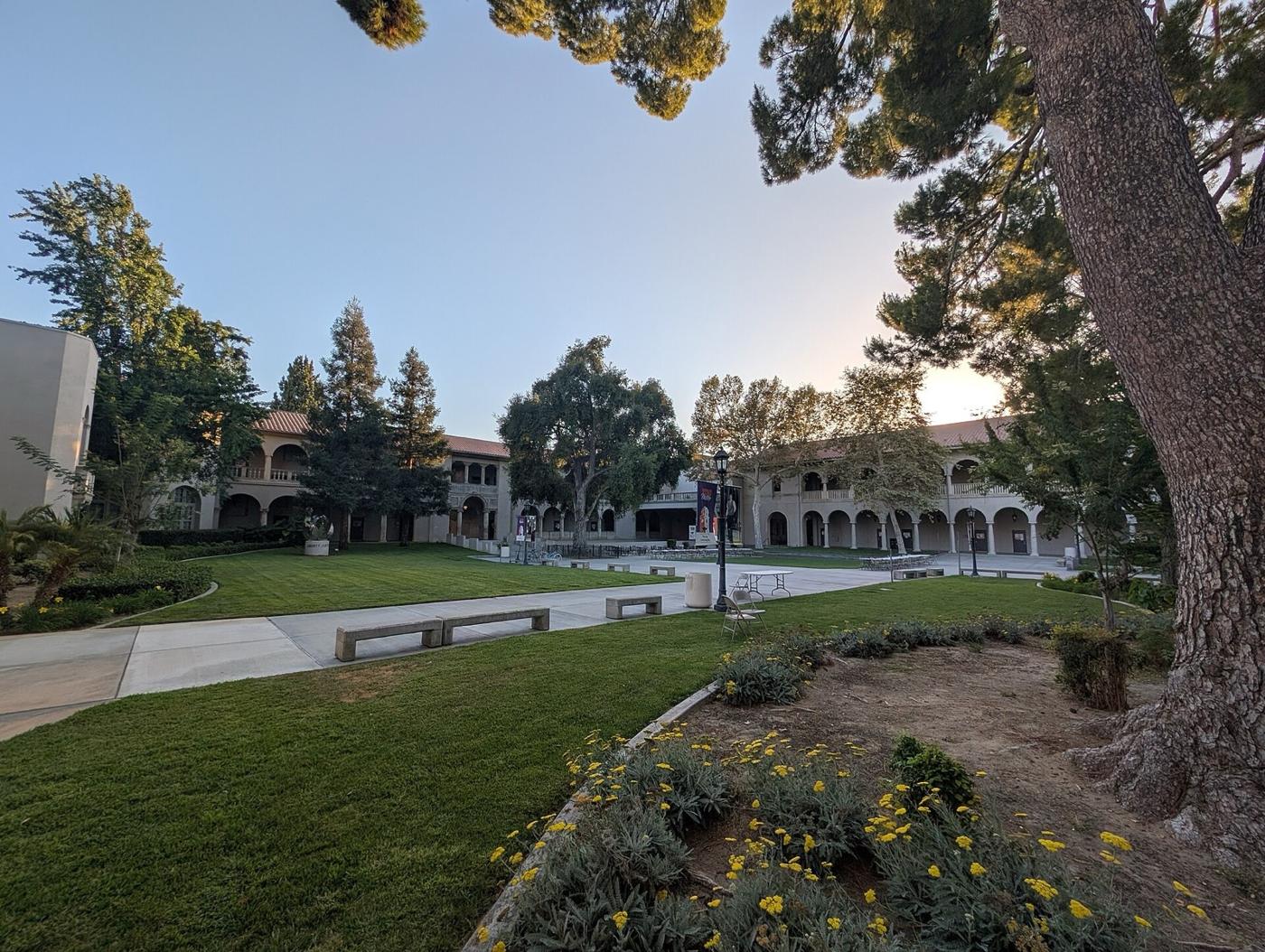
Oct 30, 1966
Riverside, CA · Cheri Jo Bates
Bates, 18, is killed near her college library. Letters sent afterward were once tied to the Zodiac. Riverside PD later ruled the link out.
Dec 20, 1968
~11 PM · Lake Herman Rd, Benicia
David Faraday (17) and Betty Lou Jensen (16) are shot. A passing driver finds them. No witnesses, no suspect, no motive.
Jul 4–5, 1969
After midnight · Blue Rock Springs, Vallejo
Darlene Ferrin (22) dies and Michael Mageau (19) survives. A man phones Vallejo police and claims both attacks.
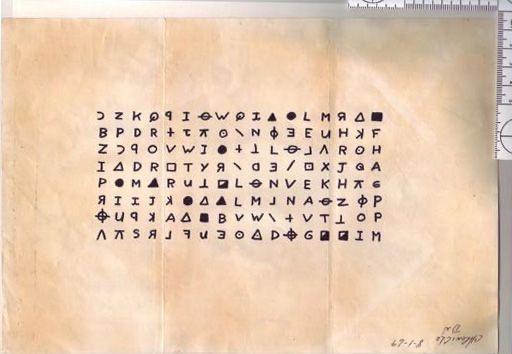
Jul 31–Aug 1969
Three Bay Area newspapers
Turning point. Letters carry a three-part cipher and the name "Zodiac" appears. A Salinas couple solves the Z408 cipher within days (sources differ on Aug 5 or 8).
UPI (1968, 1969); SF Chronicle (2018); SF Weekly (2018); Riverside PD via news reports (2021)
Step 7 · Case Timeline · Part 2 of 4
Case Timeline: 1969–1970
Sep 27, 1969
Evening · Lake Berryessa
A hooded man ties and stabs Cecelia Shepard (22) and Bryan Hartnell (20). Hartnell survives. A phone call follows.
Oct 11, 1969
~9:55 PM · Presidio Heights, SF
Cab driver Paul Stine (29) is shot. Teens watch from across the street. Prints are left in the cab.
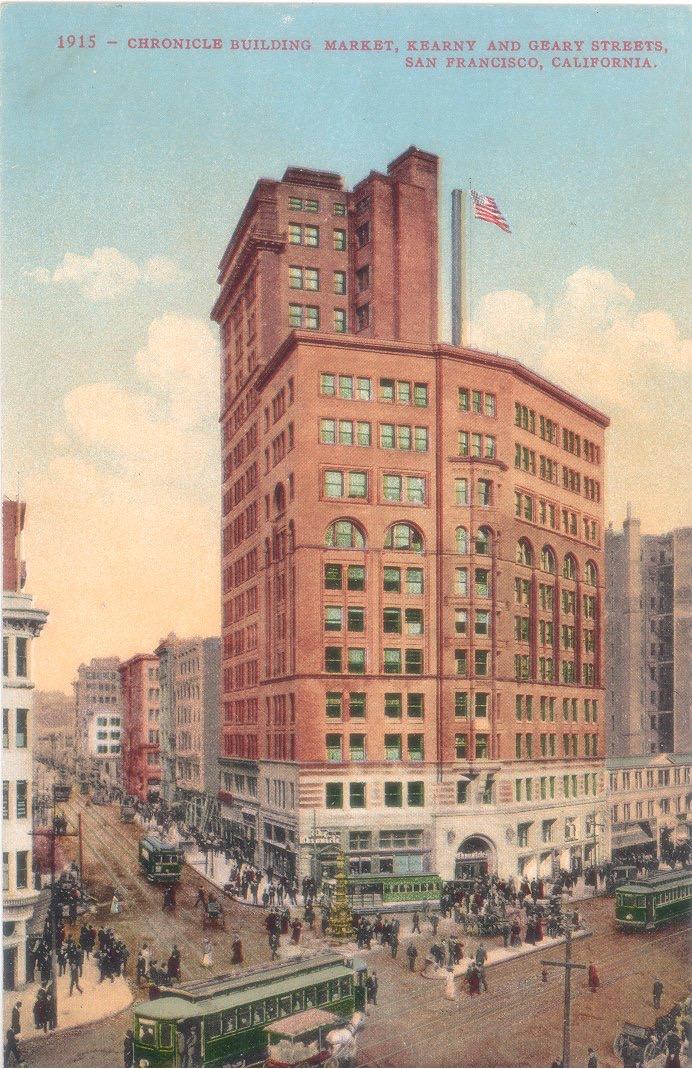
Oct 14, 1969
SF Chronicle
A letter arrives with a piece of Stine's shirt. Police match the cloth. It is his last confirmed murder.
Nov 8, 1969
Card to the Chronicle
The 340-symbol cipher (Z340) is mailed in. It stays unsolved for over 50 years.
Mar–Jul 1970
Highway 132 · Letters
Kathleen Johns escapes a driver in March, a possible case. Z13 (April) and Z32 (June) ciphers follow. Both unsolved.
UPI (1969); Napa Valley Register (2007); History.com (2017); Tracy Press (2007)
Step 7 · Case Timeline · Part 3 of 4
Case Timeline: 1974–2007
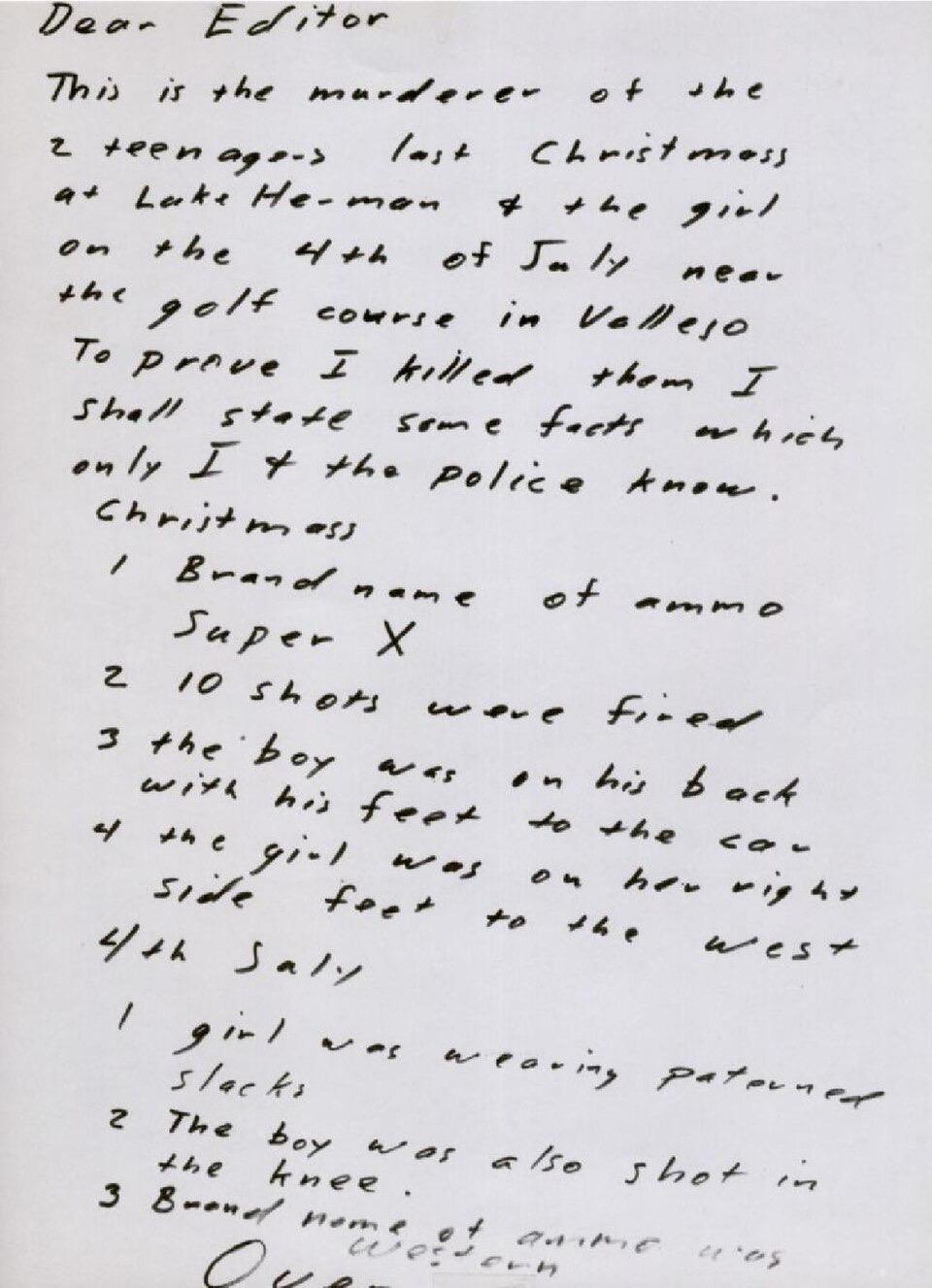
Jan 29, 1974
Letter to the Chronicle
The last letter generally believed genuine. It claims "Me - 37, SFPD - 0." No victim count beyond five was ever confirmed.
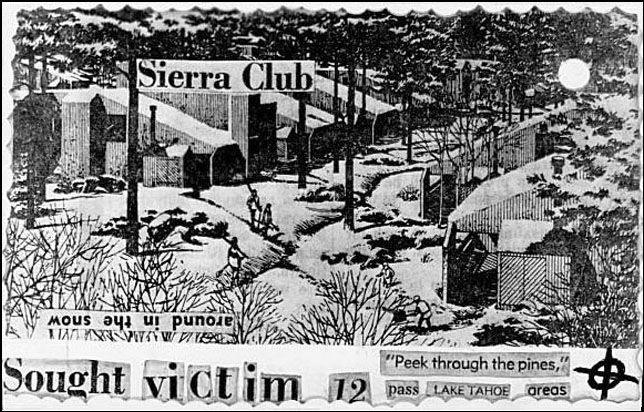
1978
Disputed letter
A letter naming Inspector Toschi arrives. Its authenticity was never confirmed, and Toschi left the case.
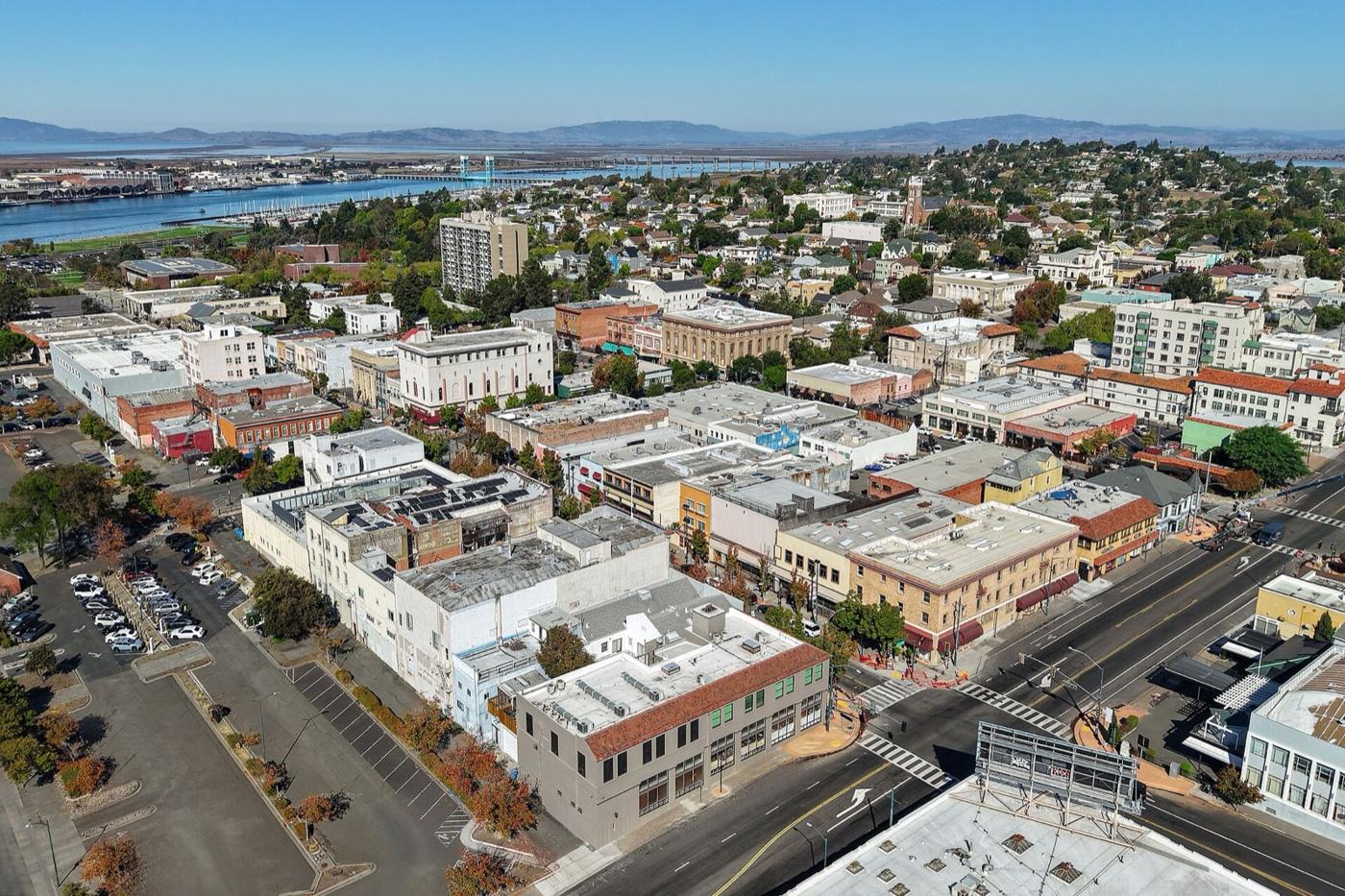
1991–1992
Suspect: Arthur Leigh Allen
Vallejo police name Allen, who died in 1992, as their suspect. He was never charged. No arrests were ever made.
Oct 2002
SFPD crime lab
Breakthrough. Saliva under a stamp gives a partial DNA profile. Police said it did not match Allen. It was too small to search databases.
2004–2007
Inactive, then reopened
SFPD marks the case inactive in April 2004. In 2007 Kim Rossmo makes a geographic profile. Sources differ on the exact reopening.
SF Chronicle (2002, 2004, 2018); Vallejo PD (2018); History.com (2017); KQED (2024)
Step 7 · Case Timeline · Part 4 of 4
Case Timeline: 2018–2026
May 2018
Vallejo PD
Detectives send two envelopes to a private lab. They hope for a full profile for genetic genealogy, as used in the Golden State Killer case.
Dec 2020
Z340 cracked
Breakthrough. Oranchak, Blake and Van Eycke solve the cipher. The FBI confirms it. It does not name the killer.
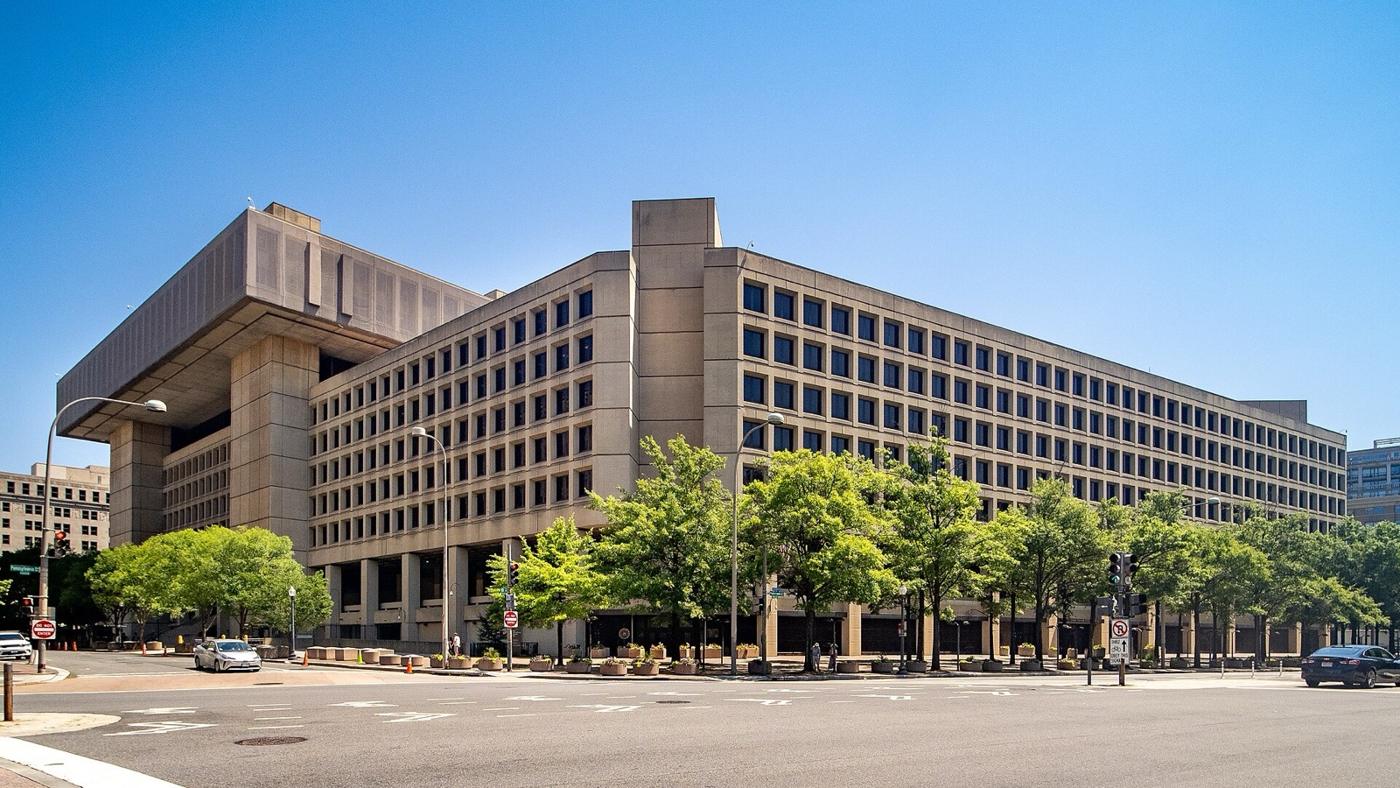
Oct 6, 2021
Case Breakers claim
A private group names Gary Poste. The FBI says the case "remains open and unsolved." Riverside police reject the link.
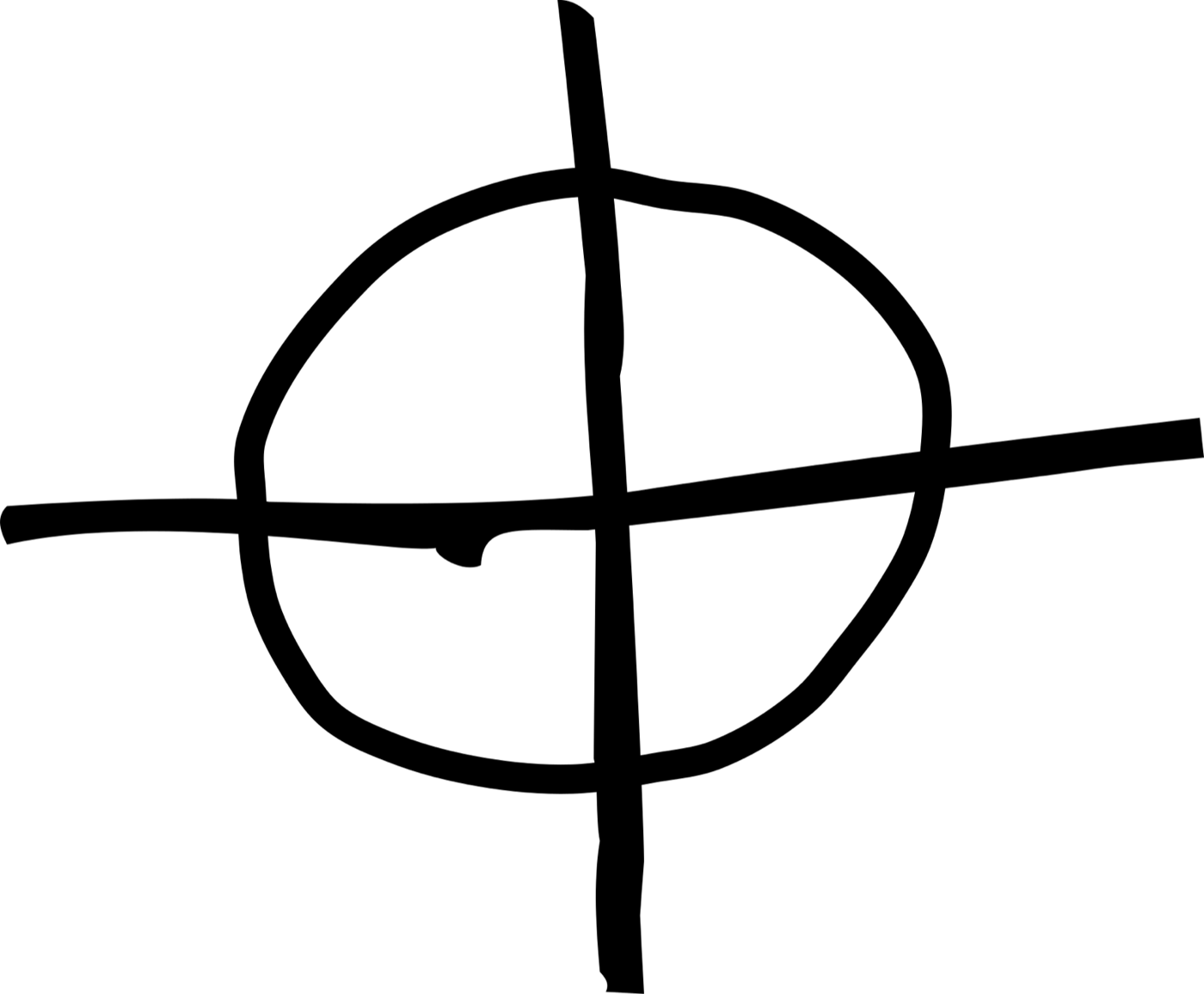
Dec 2025
Alex Baber claim
A codebreaker says AI helped him read Z13 as a name. No agency has confirmed it, and critics doubt it.
Oct 2026
Current status
Open. Unsolved. No arrest, no official suspect, no confirmed identity.
Sacramento Bee (2018); Solano News Update (2020); NBC News (2021); LA Times (Dec 2025); Parade (Oct 2026)
Step 8 · The ABCs of the Zodiac Killer · A to H
The ABCs of the Zodiac
A
Allen, Arthur Leigh
The only suspect Vallejo police named. He died in 1992 and was never charged. SFPD said a partial DNA profile did not match him.
B
Blue Rock Springs
July 4–5, 1969, Vallejo. Darlene Ferrin was killed and Michael Mageau survived. Berryessa came next.
C
Ciphers
Four mailings had codes. Z408 and Z340 are solved. Z13 and Z32 are not. CODIS needs a full DNA profile to work.
D
DNA
In 2002 SFPD found saliva under a stamp and built a partial profile. It was too small to search databases.
E
Envelopes
Vallejo PD holds letters and envelopes with a double stamp. In 2018 two were sent to a lab for DNA.
F
Fingerprints
Prints in Paul Stine's cab may have belonged to the killer. Suspects such as Allen did not match them.
G
Genetic Genealogy
Family-tree DNA helped catch the Golden State Killer. It needs a strong profile that the Zodiac case has not yet produced.
H
Hartnell, Bryan
A student stabbed at Lake Berryessa on Sept 27, 1969. He survived and described the hooded attacker.
SF Chronicle (2002, 2018); Sacramento Bee (2018); FBI (2007); SF Weekly (2018)
Step 8 · The ABCs of the Zodiac Killer · I to P
The ABCs of the Zodiac
I
IGG
Investigative genetic genealogy. Vallejo police tried it in 2018. No match was ever announced.
J
Jensen, Betty Lou
Sixteen years old. She and David Faraday were the first confirmed victims on Dec 20, 1968.
K
Kathleen Johns
In March 1970 a driver took her and her baby on a long ride. She escaped. Police call it only a possible case.
L
Lake Herman Road
Benicia, December 1968. The first attack. Letters later claimed it and gave details only police knew.
M
Mageau, Michael
Shot at Blue Rock Springs at age 19. He survived and gave police a description of the attacker.
N
Napa County
Home of Lake Berryessa. The Napa Sheriff still holds the file on the Shepard and Hartnell attack.
O
Oranchak, David
One of three amateurs who solved the Z340 cipher in December 2020, with Sam Blake and Jarl Van Eycke.
P
Presidio Heights
Oct 11, 1969, San Francisco. Cab driver Paul Stine was shot there. It was the last confirmed murder.
SF Chronicle (2018, 2023); Vallejo PD (2018); Solano News Update (2020); Napa Valley Register (2007)
Step 8 · The ABCs of the Zodiac Killer · Q to X
The ABCs of the Zodiac
Q
Questioned Documents
Examiners compare handwriting. State examiner Sherwood Morrill judged the Riverside notes to be the Zodiac's. Riverside police disagree.
R
Rossmo, Kim
A geographic profiler. In 2007 he mapped the crime sites to estimate where the killer may have lived or worked.
S
Shepard & Stamps
Cecelia Shepard (22) was attacked at Berryessa. Stamps matter too, because they hold the saliva DNA.
T
Toschi, Dave
SFPD inspector on the case. He was removed after the disputed 1978 letter and denied writing it.
U
Unsolved
No arrest has ever been made. The FBI says its investigation "remains open and unsolved."
V
Vallejo
Vallejo PD is a lead agency. It holds three letters and two envelopes and named Allen as its suspect.
W
Wing Walker Boots
A shoeprint at Berryessa was reportedly from a military "Wing Walker" boot, size 10.5. Many pairs were sold.
X
X Marks the Symbol
The killer signed with a crossed circle, like a crosshair. It was also drawn on Hartnell's car door.
FBI (2007); SF Chronicle (2018); KQED (2024); Napa Sheriff reports via research notes (reported)
Step 8 · The ABCs of the Zodiac Killer · Y and Z
The ABCs of the Zodiac
Y
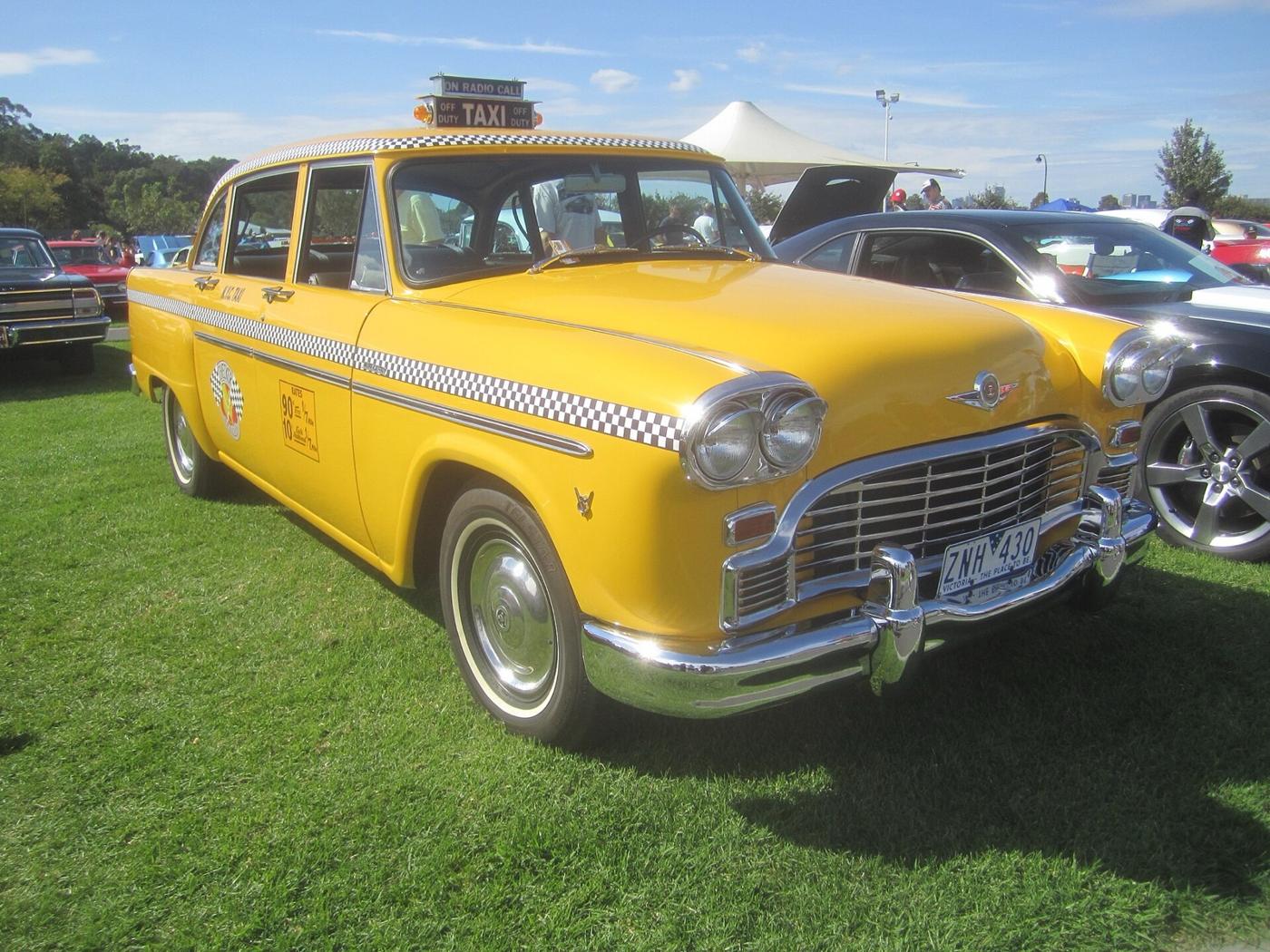
Yellow Cab
Paul Stine drove for Yellow Cab. In 1970 the company announced a reward. The amount was not verified in this research.
Z
Z340
The 340-symbol cipher mailed in 1969. It was solved in December 2020. The message did not reveal the killer's name.
Why the ABCs matter
Each letter is a piece of the puzzle: places, people, evidence and technology. The Zodiac case still has no name at the end of the alphabet. The next letter may be a DNA match.
SF Chronicle (1970 headline, 2020); Solano News Update (2020); FBI via NBC News (2021)
Step 9 · Media Segment
Media Project: Podcast
Option 4 · True-crime podcast
Cold Signal
Host: Giovanni Valdes
Episode: The Zodiac Killer, what we know in 2026
Runtime: about 6:30 (1,071 spoken words)
Format: solo host with one source quote
Episode waveform
0:00▶ Cold Signal · Ep. 16:29
Covers background, victims, timeline, evidence, suspects, theories, forensic science, status and my conclusion.
Full script: podcast.html
Segment breakdown
| Time | Segment |
|---|
| 0:00 | Cold open |
| 0:31 | Case background |
| 1:09 | The victims |
| 1:39 | Timeline: the letters |
| 2:50 | Evidence + forensic science, guest quote |
| 4:10 | Suspects |
| 5:01 | Theories + current status |
| 5:41 | My conclusion |
Script facts from FBI (2007); Vallejo PD via Sacramento Bee (2018); SF Chronicle; History.com; Britannica
Section 11 · Final Case Summary (1 of 3)
Case Summary: The Unsolved Investigation
1. What happened? Four attacks in Northern California from Dec 1968 to Oct 1969. A killer who called himself the Zodiac mailed letters and ciphers. Never caught.
2. Victims? Killed: David Faraday, Betty Lou Jensen, Darlene Ferrin, Cecelia Shepard, Paul Stine. Survivors: Michael Mageau, Bryan Hartnell.
3. Evidence collected? Letters, ciphers, a piece of Stine's bloody shirt, cab prints, shell casings, a shoe print cast, witness sketches.
4. Forensic evidence? Partial DNA from stamp saliva (2002), 38 latent prints, a partial Napa profile. No weapon recovered.
5. Major suspects? Arthur Leigh Allen is the only one police named. Others raised by writers or groups: Gary Poste, Lawrence Kane, Earl Van Best Jr., Marvin Margolis. None charged.
6. Eliminated? Allen did not match DNA, prints or handwriting. Donald Bujok's prints did not match. Kaczynski was checked by the FBI and doubted.
FBI Archives (2007); SF Chronicle (2018, 2023); SFGate (2002); History.com; Britannica
Section 11 · Final Case Summary (2 of 3)
Theories and Why It Stayed Open
7. Strongest theories? (a) Never identified, maybe dead: High. (b) Killed more than 5: Medium. (c) Some letters were hoaxes: Medium. (d) Allen did it: Low.
8. Supporting evidence? About 2,500 suspects checked, no arrest. No full DNA. Z340 gave no name.
9. Contradicting evidence? Allen: DNA, prints and handwriting did not match. Bates link: Riverside police reject it. The "37 victims" claim is only the killer's boast.
10. Why unsolved? Little DNA. Evidence handled for decades before DNA mattered. Four agencies split the case. Foggy, conflicting witness sketches. No weapon. A careful killer. SFPD listed the case inactive in 2004.
Status 2026: The FBI says the case "remains open and unsolved."
SFGate (2002, 2020); SF Chronicle (2018, 2023); AP via LA Times (2004); FBI statement (2021)
Section 11 · Final Case Summary (3 of 3)
Technology, Conclusion, Open Questions
11. Could modern tech help? Yes, maybe. Sequencing plus genealogy solved other cold cases. But the Zodiac left only crumbs of DNA, so no guarantee.
12. Evidence still needed? A clean single-source DNA profile, an elimination database of handlers, and a comparison of all agencies' profiles.
13 · My conclusion
The evidence points to an unidentified offender, not any named suspect. Every named suspect has either failed a physical test or has only circumstantial claims. Nothing yet ties a name to the DNA.
14. Open questions: Who was he? Why did the letters stop? Did he kill more? Is the stamp DNA his? What are Z13 and Z32? Was the 1978 letter real? Is he still alive?
Student analysis based on FBI Archives (2007); SFGate (2002, 2020); SF Chronicle (2018)
Final Question
If I Were the Lead Investigator in 2026...
What would I do next? My three most important steps:
1
Sequence the stamps and flaps
Use a vendor lab that works on degraded DNA to build a SNP profile for genealogy. Save part of every sample. Why: saliva is the only biology tied to the killer. As Vallejo's detective said, "Without it, you have nothing."
2
Build an elimination database
Get DNA from detectives, reporters and anyone who licked stamps. Compare the SFPD, Napa and Vallejo profiles. Then run genealogy. Why: too many people handled this evidence to trust any result without it.
3
Re-search prints, test the cab
Search all 38 latents in NGI, including palms. Sample the Stine cab door, tape lifts first. Use Rossmo's map to rank candidates. Why: databases are far bigger than in 1991.
Student plan based on Sacramento Bee (2018); NIST (2024); FBI (2024); Rossmo report (2007)
Step 12 · Sources / Works Cited · 1 of 4
Works Cited (MLA 9)
ABC7 News. “Zodiac Killer’s ‘340 Cipher’ Sent to SF Chronicle 51 Years Ago Reportedly Solved by Code Experts.” ABC7 News, Dec. 2020, abc7news.com/zodiac-cipher-sent-to-chronicle-in-1969-reportedly-solved-by-experts/8694192.
Associated Press. “Correction: Zodiac Killer-DNA Story.” AP News, 4 May 2018, apnews.com/article/ac6bb05bbe754dbfbaa57e0cfef5a878.
---. “San Francisco Police Decide to Close 1968-69 Zodiac Killer Case.” Los Angeles Times, 8 Apr. 2004, latimes.com/archives/la-xpm-2004-apr-08-me-zodiac8-story.html.
Bauer, Craig P. “The Zodiac Ciphers: What Cryptologists Know.” HISTORY, 8 Nov. 2017, history.com/articles/the-zodiac-ciphers-what-we-know.
BBC News. “Zodiac Killer: Authorities Rebuff Cold Case Team’s New Lead.” BBC News, 7 Oct. 2021, bbc.com/news/world-us-canada-58837900.
Beck, Melinda. “Could Any of These Men Have Been the Zodiac Killer?” HISTORY, 6 Nov. 2017, history.com/articles/could-any-of-these-men-have-been-the-zodiac-killer.
Blankstein, Andrew, and Wilson Wong. “‘The Case Remains Open’: FBI Rebuts Claim Zodiac Killer Case Is Solved.” NBC News, 7 Oct. 2021, nbcnews.com/news/us-news/case-remains-open-fbi-refutes-claim-zodiac-killer-case-solved-n1281002.
Butterfield, Michael. “The Zodiac Killer: A Timeline.” HISTORY, 8 Nov. 2017, updated 28 May 2025, history.com/news/the-zodiac-killer-a-timeline.
Casiano, Louis. “FBI Says Zodiac Case Remains Open After Independent Group Says It Has ID’d Killer.” Fox News, 7 Oct. 2021, foxnews.com/us/fbi-zodiac-killer.
Chabria, Anita. “Vallejo Police Have Sent Zodiac Killer DNA to a Lab. Results Could Come in Weeks.” The Sacramento Bee, 2 May 2018, sacbee.com/latest-news/article210320689.html.
Dorgan, Marsha. “Tracking the Mark of the Zodiac for Decades.” Napa Valley Register, 18 Feb. 2007, napavalleyregister.com/news/tracking-the-mark-of-the-zodiac-for-decades/.
Step 12 · Sources / Works Cited · 2 of 4
Works Cited (MLA 9)
Dowd, Katie. “Why Has the Zodiac Killer Never Been Caught?” SFGATE, 6 Jan. 2021, sfgate.com/sfhistory/article/why-has-Zodiac-Killer-never-been-caught-15847923.php.
Editors of Encyclopaedia Britannica. “Was the Zodiac Killer Ever Found?” Encyclopaedia Britannica, 20 Nov. 2025, britannica.com/question/Was-the-Zodiac-killer-ever-found.
Fagan, Kevin. “SF Cop Who Hunted Zodiac Killer Dies. Dave Toschi Was 86.” San Francisco Chronicle, 11 Jan. 2018, sfchronicle.com/news/article/SF-cop-who-hunted-Zodiac-killer-dies-Dave-Toschi-12488886.php.
---. “Who Was the Zodiac Killer? My Final Thoughts After Years of Reporting.” San Francisco Chronicle, 8 Jan. 2025, sfchronicle.com/bayarea/article/zodiac-killer-theory-19991296.php.
---. “Zodiac Killer Case: How the San Francisco Chronicle Was Involved.” San Francisco Chronicle, 14 Dec. 2018, sfchronicle.com/us-world/article/zodiac-killer-case-how-the-san-francisco-13464935.php.
Federal Bureau of Investigation. “FBI Marks 100 Years of Fingerprints and Criminal History Records.” FBI, 10 July 2024, fbi.gov/news/stories/fbi-marks-100-years-of-fingerprints-and-criminal-history-records.
---. “The Zodiac Killer.” FBI Archives, 2 Mar. 2007, archives.fbi.gov/archives/news/stories/2007/march/zodiac_030207.
Goffard, Christopher. “Amateur Sleuth May Have Solved the Black Dahlia and Zodiac Killings.” Los Angeles Times, 23 Dec. 2025, latimes.com/california/story/2025-12-23/black-dahlia-zodiac-killings-connected-one-killer-theory.
Goodyear, Charlie. “Files Shut on Zodiac’s Deadly Trail.” San Francisco Chronicle, 7 Apr. 2004, sfgate.com/bayarea/article/Files-shut-on-Zodiac-s-deadly-trail-SFPD-2769551.php.
Kelly, George. “Did AI Crack the Zodiac Case?” The San Francisco Standard, 2 Sept. 2026, sfstandard.com/2026/09/02/michael-connelly-zodiac-killer-black-dahlia-podcast/.
LaSalle, Mick. “Zodiac Killer Was a Myth, New Documentary Says.” San Francisco Chronicle, 13 July 2023, sfchronicle.com/entertainment/movies-tv/article/zodiac-killer-sf-peacock-documentary-18193101.php.
Step 12 · Sources / Works Cited · 3 of 4
Works Cited (MLA 9)
National Institute of Justice. “Improving Analysis of ‘Trace DNA’ Evidence.” NIJ, 16 Jan. 2024, nij.ojp.gov/topics/articles/improving-analysis-trace-dna-evidence.
Lee, Henry. “‘Very Strong Suspect’ Named in Zodiac Killer Case by Cold Case Group.” KTVU Fox 2, 6 Oct. 2021, ktvu.com/news/very-strong-suspect-named-in-zodiac-killer-case-by-cold-case-group.
The New York Times. “How a Genealogy Site Led to the Front Door of the Golden State Killer Suspect.” 26 Apr. 2018, nytimes.com/2018/04/26/us/golden-state-killer.html.
Oranchak, David, et al. “The Solution of the Zodiac Killer’s 340-Character Cipher.” arXiv, 27 Mar. 2024, arxiv.org/pdf/2403.17350.
Reuters. “Louisiana Author Claims Search for Biological Father Led Him to Zodiac Killer.” Raw Story, 14 May 2014, rawstory.com/2014/05/louisiana-author-claims-search-for-biological-father-led-him-to-zodiac-killer/.
United Press International. “Stepped Up Search for Killer.” UPI Archives, 23 Dec. 1968, upi.com/Archives/1968/12/23/Stepped-up-search-for-killer/4211525459063/.
---. “Blood-Soaked Cloth Sent to Paper After Murder.” UPI Archives, 15 Oct. 1969, upi.com/Archives/1969/10/15/Blood-soaked-cloth-sent-to-paper-after-murder/3291525461934/.
---. “Zodiac Murders Still Unsolved After Two Decades.” UPI Archives, 18 Dec. 1988, upi.com/Archives/1988/12/18/Zodiac-murders-still-unsolved-after-two-decades/6920598424400/.
Vallejo Police Department. “Zodiac Case Update.” Press release, 3 May 2018, vallejopd.net/common/pages/DisplayFile.aspx?itemId=16986030.
United States, Department of Justice, Office of Legal Policy. Interim Policy: Forensic Genetic Genealogical DNA Analysis and Searching. 2 Sept. 2019, justice.gov/d9/pages/attachments/2019/09/24/finaldojinterimpolicyonfgg.pdf.
Weiss, Mike. “DNA Seems to Clear Only Zodiac Suspect.” San Francisco Chronicle, 15 Oct. 2002, sfgate.com/crime/article/dna-seems-to-clear-only-zodiac-suspect-2784268.php.
Step 12 · Sources / Works Cited · 4 of 4
Reliability + Image Credits
Reliability note
Fan sites and Wikipedia were used only for leads. Key facts were verified against news and law-enforcement sources: the FBI, Vallejo PD, the SF Chronicle, AP, the LA Times, NBC, BBC and Britannica. Where sources disagree, the slides say so.
All entries are in MLA 9 format with URLs shortened (https:// removed). Retrieved October 2026.
Image credits
Images: Wikimedia Commons (public domain / CC), see CREDITS.
Public domain: SFPD wanted poster and sketch, Zodiac ciphers and letters, NIST cartridge cases, NHGRI DNA helix. CC0: Lake Berryessa (Alex Wild), Riverside City College (Josiah.r.white), shoeprint comparison (Zalman992), Bay Area map (Wikideas1). CC BY / BY-SA: FBI building (ajay_suresh), fingerprint (Saurabh R. Patil), forensic lab (Mbrickn), Vallejo (Quintin Soloviev), Presidio Heights (Tony Webster), taxi (Sicnag). Full table: images/CREDITS.md.
No photos of victims are used in this project.